- Home
- Sarcoidosis
Sarcoidosis Treatment in Bhopal
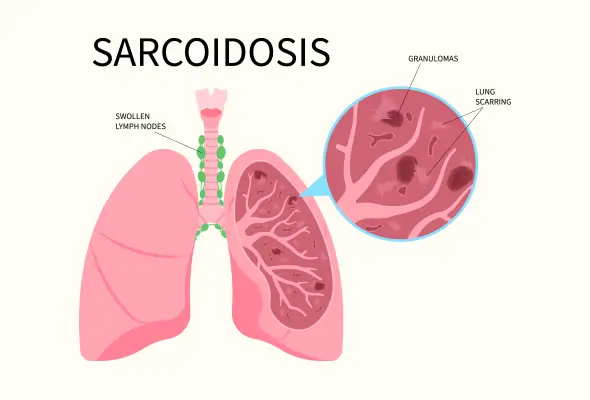
Sarcoidosis is an inflammatory condition in which the immune system forms tiny clusters of cells called granulomas. These granulomas can develop in different organs, but the lungs and lymph nodes inside the chest are commonly involved. Some people have few symptoms, while others may experience persistent cough, breathlessness, fatigue or changes in other organs. Because sarcoidosis can resemble infections, tuberculosis, certain cancers and other inflammatory conditions, reaching the correct diagnosis may require more than one investigation. Sarcoidosis Treatment in Bhopal therefore begins with understanding the patient’s symptoms, imaging findings, lung function and overall health.
Dr. Daksh Sharma is a Pulmonologist and Interventional Pulmonologist with MBBS, MD in Pulmonary Medicine, DM in Pulmonary Medicine & Critical Care and FCCS. His experience includes complex respiratory conditions, critical care, pulmonary evaluation, bronchoscopy and interventional pulmonology. For patients looking for a Sarcoidosis Specialist in Bhopal, careful evaluation is important because treatment needs can differ considerably from one person to another.
What Is Sarcoidosis?
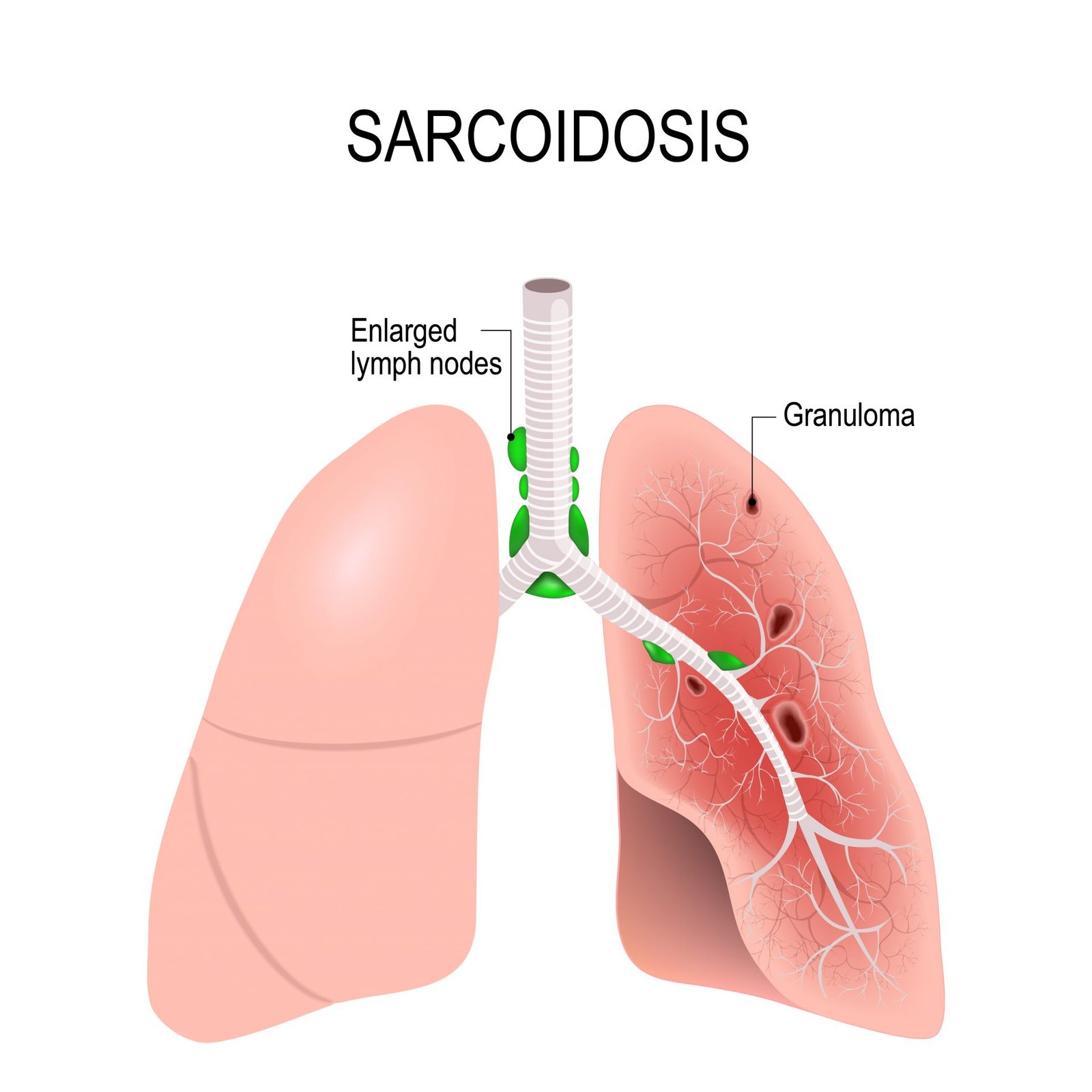
Sarcoidosis happens when the body’s immune system produces an unusual inflammatory response. This can lead to the formation of granulomas, which are small groups of immune cells. The lungs are among the organs most often affected. Sarcoidosis may cause inflammation in the lung tissue and enlargement of lymph nodes in the chest. In some people, however, granulomas can also develop in the skin, eyes, heart, nervous system, liver or other organs. The condition does not affect everyone in the same way. Some people have no noticeable symptoms and are diagnosed after an X-ray or CT scan performed for another reason. Others develop ongoing respiratory or general symptoms that require medical attention. A Sarcoidosis Doctor in Bhopal may consider the patient’s symptoms, imaging, lung function and other findings together rather than relying on one test alone.
What Are the Common Sarcoidosis Symptoms?
Sarcoidosis Symptoms can vary widely depending on which organs are affected and how active the inflammation is.
Common symptoms may include:
- Persistent dry cough
- Shortness of breath
- Chest discomfort
- Fatigue
- Fever in some patients
- Swollen lymph nodes
- Skin changes or rashes
- Eye redness, pain or vision-related symptoms in some cases
Some people have very mild symptoms, while others may feel tired or unwell for a prolonged period. Lung involvement can cause breathlessness or a persistent cough, although these symptoms can also occur with asthma, infections, COPD and other respiratory conditions. Because Sarcoidosis Symptoms are not specific to this condition, they should not be used alone to make a diagnosis. A proper medical evaluation can help determine whether sarcoidosis is likely and whether another condition may be responsible.
What Causes Sarcoidosis?
The exact Sarcoidosis Causes are not fully understood. Researchers believe that sarcoidosis may develop when the immune system responds abnormally in a person who has a certain genetic susceptibility. Environmental exposures may also influence this response. Different possible triggers have been studied, but no single infectious or environmental cause has been established for all patients.
This means sarcoidosis is not simply caused by one particular infection or exposure. The condition appears to involve an interaction between immune response, genetics and environmental factors. Having a possible risk factor does not mean someone will develop sarcoidosis. Likewise, a person can develop the condition without an obvious exposure or family history. Understanding possible Sarcoidosis Causes can be helpful, but doctors generally focus on confirming the diagnosis and identifying which organs are involved before deciding whether treatment is necessary.
Sarcoidosis Treatment in Bhopal – What Are the Treatment Options?
Sarcoidosis Treatment in Bhopal depends on several factors, including symptoms, organs involved, disease severity, lung function, evidence of progression and the risk of permanent organ damage. Not every patient needs immediate treatment. Some people have mild disease that remains stable or improves with time and can be monitored regularly.
When treatment is needed, approaches may include:
Observation and Monitoring
For selected patients with mild or stable disease, doctors may recommend regular follow-up rather than starting medication immediately. Monitoring can include symptom review, lung function testing and imaging when appropriate.
Corticosteroids
Corticosteroids may be used when sarcoidosis is causing significant symptoms, progressive lung disease or important organ involvement. The decision to use them depends on the individual situation.
Organ-Specific Care
Sarcoidosis affecting the eyes, heart, nervous system or other organs may require additional assessment and input from the appropriate specialist.
Respiratory Support and Follow-Up
Patients with lung involvement may need regular assessment of breathing symptoms and lung function. Supportive respiratory care can also be part of ongoing management. Medication choice and duration should always be decided by a qualified doctor. Patients should not start, stop or change treatment without medical guidance.
Other Immune-Modulating Treatment
If corticosteroids are unsuitable, insufficient or not appropriate for long-term management, other immune-modulating medicines may be considered in selected patients.
The goal of Sarcoidosis Treatment in Bhopal is to control clinically important inflammation, protect affected organs and maintain quality of life while avoiding unnecessary treatment.
Does Sarcoidosis Always Need Treatment?
No. Sarcoidosis does not always require immediate medication. Some patients have mild disease that causes few symptoms and remains stable. In such cases, a doctor may recommend observation and periodic follow-up. Treatment becomes more important when symptoms are persistent, lung function is worsening, disease is progressing or an organ such as the heart, eyes or nervous system is significantly affected.
This is why two people with sarcoidosis may receive very different management plans. A Sarcoidosis Specialist in Bhopal can assess whether the condition appears stable or whether active treatment is appropriate. Regular follow-up matters even when medication is not initially required. Changes in symptoms or organ function may alter the management approach over time.
How Is Sarcoidosis Diagnosed?
Sarcoidosis Diagnosis can sometimes be challenging because several other diseases can produce similar symptoms, imaging findings or granulomas.
The evaluation may include:
- Detailed medical history
- Physical examination
- Chest X-ray
- High-resolution CT when appropriate
- Pulmonary function tests
- Blood tests
- Assessment of other organs when indicated
- Bronchoscopy
- Tissue biopsy when required
A chest X-ray may show enlarged lymph nodes or changes in the lungs. CT imaging can provide more detailed information about the distribution of these changes. Pulmonary function tests help doctors understand whether lung involvement is affecting breathing capacity. Blood tests may provide additional information, although there is no single blood test that confirms sarcoidosis in every patient.
In selected cases, bronchoscopy and tissue sampling may be needed. A biopsy can help establish the nature of the tissue changes. However, doctors also need to consider and rule out conditions such as tuberculosis, other infections and malignancy when appropriate. A careful Sarcoidosis Diagnosis is therefore based on the complete clinical picture rather than one abnormal scan or laboratory result.
When Should You See a Sarcoidosis Specialist in Bhopal?
A Sarcoidosis Specialist in Bhopal may be appropriate when respiratory symptoms or imaging findings raise the possibility of sarcoidosis.
Consider specialist evaluation if you have:
- Persistent unexplained dry cough
- Breathlessness without a clear cause
- An abnormal chest X-ray or CT scan
- Enlarged chest lymph nodes
- Unexplained long-lasting fatigue
- Suspected sarcoidosis
- Previously diagnosed sarcoidosis with worsening symptoms
- Changes in lung function
These findings do not automatically mean sarcoidosis. Tuberculosis, infections, inflammatory conditions and other diseases can produce overlapping findings. For that reason, the purpose of specialist assessment is to establish the most likely diagnosis and determine whether treatment or monitoring is appropriate. Patients who already have sarcoidosis may also benefit from regular follow-up, particularly if they develop new breathing symptoms, vision problems, skin changes or other unexplained concerns.
Can Sarcoidosis Affect Other Organs?
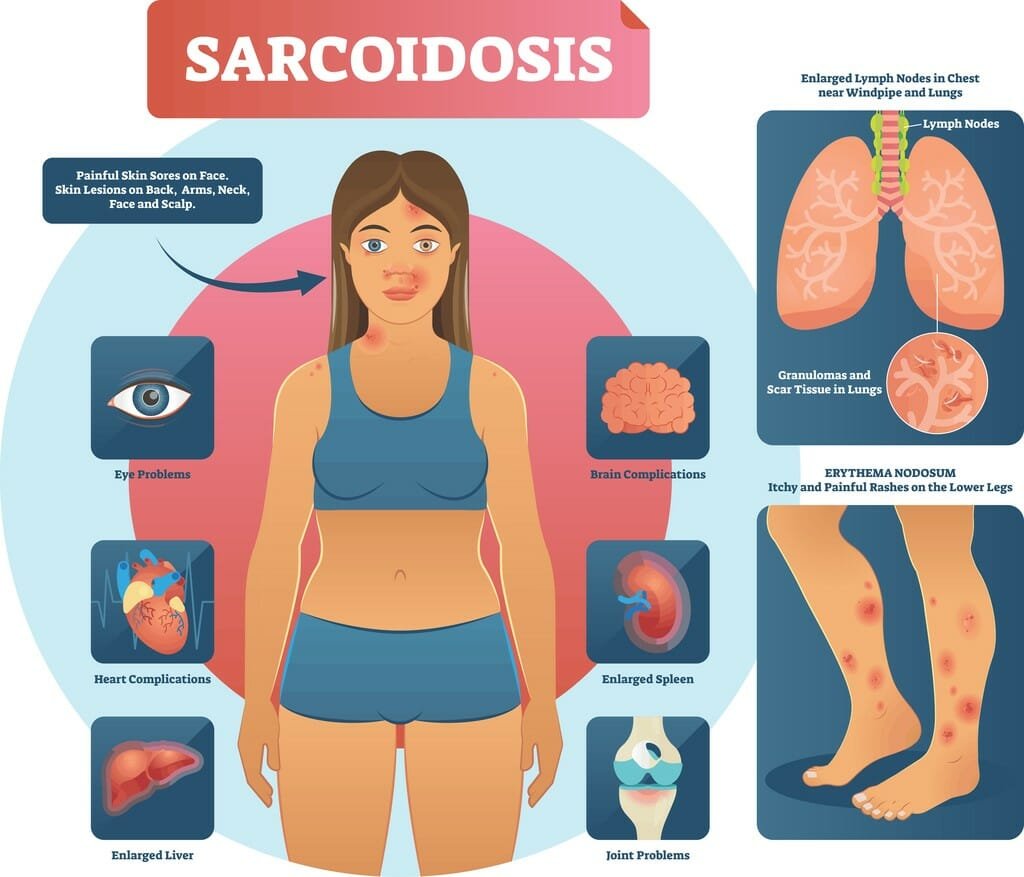
Sarcoidosis is not limited to the lungs. Granulomas can develop in other organs, although the pattern varies from person to person.
Possible areas of involvement include:
- Skin: Rashes, nodules or other skin changes
- Eyes: Redness, pain, sensitivity to light or vision problems
- Heart: Abnormal heart rhythms or other cardiac involvement
- Nervous system: Neurological symptoms in some patients
- Liver: Abnormal liver findings in selected cases
- Lymph nodes: Enlargement in the chest or other parts of the body
Not every patient develops these problems. However, new symptoms outside the lungs should be discussed with a healthcare professional. Depending on the organ involved, evaluation by another specialist may be appropriate alongside pulmonary care.
Frequently Asked Questions
Sarcoidosis Treatment in Bhopal may involve observation, regular monitoring or medication when symptoms, progressive disease or important organ involvement make treatment necessary. Corticosteroids and other immune-modulating medicines may be considered in selected patients. The appropriate approach depends on the organs affected and the severity of disease. A Sarcoidosis Specialist in Bhopal can help determine whether active treatment or careful monitoring is more suitable.
Common Sarcoidosis Symptoms include persistent dry cough, breathlessness, fatigue and chest discomfort. Some people may also develop swollen lymph nodes, skin changes or eye symptoms. Symptoms can be mild or absent in some patients. If persistent respiratory symptoms or abnormal chest imaging raise concern, Sarcoidosis Treatment in Bhopal should only be considered after an appropriate medical evaluation confirms the likely cause.
The exact Sarcoidosis Causes remain uncertain. An abnormal immune response, genetic susceptibility and environmental factors may all play a role, but no single cause explains every case. Knowing the possible background of the disease does not determine treatment by itself. Sarcoidosis Treatment in Bhopal depends more on symptoms, affected organs, disease activity and the risk of organ damage. A Sarcoidosis Doctor in Bhopal can assess the individual situation.
Sarcoidosis Diagnosis may include a medical history, examination, chest X-ray, CT scan, pulmonary function tests, blood tests and assessment of other organs. Bronchoscopy or biopsy may be required in selected cases. Doctors may also need to rule out infections such as tuberculosis and other conditions that can look similar. Sarcoidosis Treatment in Bhopal should be planned only after the diagnosis and extent of disease have been properly evaluated.
There is no single treatment that guarantees permanent disappearance of sarcoidosis in every patient. Some people improve without medication, while others need treatment to control active inflammation or protect affected organs. Sarcoidosis Treatment in Bhopal aims to manage disease activity, reduce symptoms and prevent organ damage when possible. A Sarcoidosis Specialist in Bhopal can explain the likely course based on the patient's specific pattern of disease.
No. Some people have mild or stable sarcoidosis and may only need observation and regular follow-up. Treatment is more likely to be considered when symptoms persist, disease progresses, lung function declines or important organs are affected. Sarcoidosis Treatment in Bhopal is therefore individualized rather than automatically started after diagnosis. A Sarcoidosis Doctor in Bhopal can help determine whether monitoring or active treatment is appropriate.
Yes. Sarcoidosis commonly affects the lungs and may cause inflammation, enlarged chest lymph nodes, persistent cough or breathing difficulty. Some patients have little effect on lung function, while others need closer monitoring or treatment. Sarcoidosis Treatment in Bhopal may include respiratory monitoring and medication when clinically necessary. A Sarcoidosis Specialist in Bhopal can assess lung involvement using imaging, symptoms and pulmonary function testing.
Some cases of sarcoidosis can improve without active medication, particularly when symptoms are mild and organ function remains stable. However, other patients develop persistent or progressive disease and require treatment. Sarcoidosis Treatment in Bhopal is based on the individual's symptoms, disease activity and affected organs. Regular follow-up remains useful even when medication is not initially needed because the condition can change over time.
A Sarcoidosis Specialist in Bhopal may be appropriate for unexplained persistent cough, breathlessness, enlarged chest lymph nodes, abnormal chest imaging, unexplained fatigue or suspected sarcoidosis. People with known sarcoidosis should also seek evaluation if symptoms worsen or new organ-related symptoms appear. Sarcoidosis Treatment in Bhopal should follow an individualized assessment rather than being based only on a scan or a list of symptoms.
Yes. Sarcoidosis can sometimes involve the skin, eyes, heart, nervous system, liver or lymph nodes. The symptoms and treatment needs depend on which organs are affected. Sarcoidosis Treatment in Bhopal may therefore involve pulmonary monitoring as well as evaluation by other specialists when necessary. A Sarcoidosis Doctor in Bhopal can help identify symptoms that may require additional organ-specific assessment.