
- Home
- Pulmonary Fibrosis
Pulmonary Fibrosis Treatment in Bhopal
Pulmonary fibrosis is a lung condition in which scar tissue gradually develops inside the lungs. As the lung tissue becomes thicker and less flexible, it can become harder for oxygen to move into the bloodstream. Some people develop mild symptoms, while others may experience steadily increasing breathlessness and reduced ability to perform everyday activities. Because several lung conditions can cause similar symptoms, getting the right diagnosis matters. Pulmonary Fibrosis Treatment in Bhopal depends on the type of fibrosis, its possible cause, how the disease is progressing and the person’s overall health.
Dr. Daksh Sharma is a Pulmonologist and Interventional Pulmonologist with MBBS, MD in Pulmonary Medicine, DM in Pulmonary Medicine & Critical Care and FCCS. His professional experience includes complex respiratory conditions, critical care and the evaluation of interstitial lung diseases. He has also managed more than 200 ILD patients in ILD clinics at various centres of excellence.
What Is Pulmonary Fibrosis?
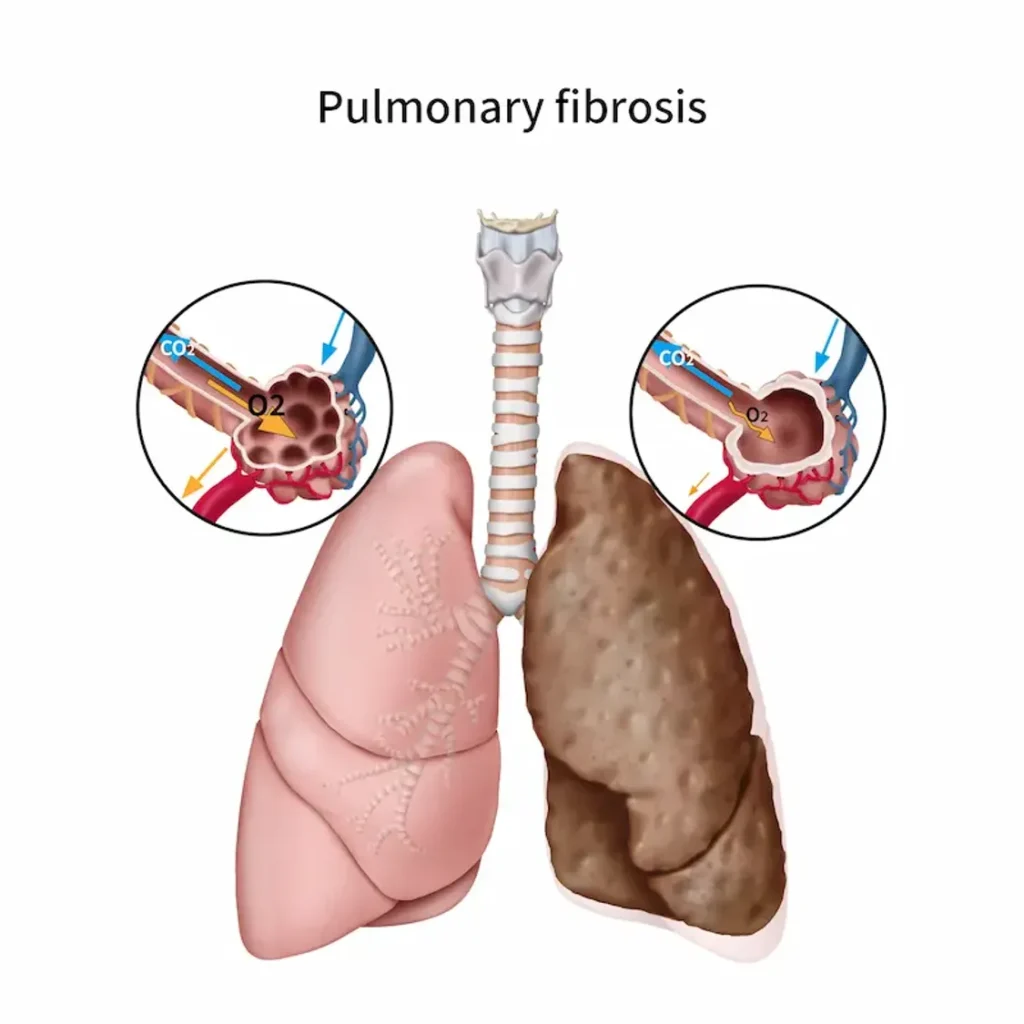
Pulmonary fibrosis means scarring of lung tissue. The lungs normally contain millions of tiny air sacs where oxygen passes into the blood. Healthy lung tissue is flexible, allowing the lungs to expand and contract with each breath. With fibrosis, scar tissue can make the lungs stiffer. This may reduce their ability to expand normally and can interfere with efficient oxygen exchange.
Pulmonary fibrosis is not one single disease. It can develop for different reasons, and sometimes no clear cause is found. Pulmonary Fibrosis Causes may include autoimmune diseases, environmental exposures, certain medicines and other lung injuries. In some people, the condition is called idiopathic pulmonary fibrosis because no specific underlying cause can be identified. The course also varies. Some people remain stable for a long time, while others experience gradual progression. That is why regular assessment is useful even when symptoms initially seem manageable.
What Are the Common Pulmonary Fibrosis Symptoms?
The most common Pulmonary Fibrosis Symptoms involve breathing and physical activity. They may develop gradually, so some people initially notice only small changes.
Common symptoms include:
- Shortness of breath, especially during activity
- Persistent dry cough
- Tiredness or fatigue
- Reduced exercise tolerance
- Feeling less physically active than before
- Unexplained weight loss in some patients
- Chest discomfort in some cases
- A general decline in stamina
Breathlessness may initially occur only while climbing stairs, walking quickly or exercising. Later, depending on disease progression, it may occur during routine activities. A dry cough that continues for weeks or months should not automatically be assumed to be fibrosis. Asthma, infections, COPD, heart conditions and other disorders can cause similar symptoms. For this reason, Pulmonary Fibrosis Symptoms need to be considered alongside the person’s history, examination and test results. An experienced pulmonologist can help distinguish fibrosis from other causes of breathlessness and chronic cough.
Can Pulmonary Fibrosis Be Cured?
Pulmonary fibrosis is generally a chronic condition, and established scar tissue cannot simply be removed with a routine treatment. However, that does not mean nothing can be done. Depending on the type of fibrosis, treatment may help slow progression, manage symptoms and preserve lung function for as long as possible. Some patients have an identifiable underlying condition that can be treated. Others may have a form that requires long-term monitoring and disease-specific therapy.
The outlook varies considerably between individuals. Regular follow-up allows the treating team to identify changes in symptoms or lung function and adjust the management plan when needed. It is also important to avoid unproven remedies that claim to reverse lung scarring. Treatment should be based on an established diagnosis and appropriate medical advice.
What Causes Pulmonary Fibrosis?
There is no single explanation for every case. Pulmonary Fibrosis Causes can be divided into several broad groups.
Idiopathic Pulmonary Fibrosis
In idiopathic pulmonary fibrosis, doctors cannot identify a specific cause despite appropriate evaluation. It is a form of pulmonary fibrosis that requires specialist assessment and ongoing monitoring.
Autoimmune and Connective Tissue Diseases
Conditions that affect the immune system and connective tissues can sometimes involve the lungs. Examples include rheumatoid arthritis and other connective tissue diseases.
Occupational and Environmental Exposures
Long-term exposure to certain dusts, chemicals, fumes or other environmental substances can contribute to lung injury in susceptible people.
Certain Medicines
Some medicines can affect lung tissue in uncommon situations. Doctors consider a person's medication history when evaluating unexplained lung changes.
Family and Genetic Factors
A family history may be relevant in selected forms of pulmonary fibrosis. Some cases have genetic associations, although this does not mean that every person with a family history will develop the disease.
How Can Pulmonary Fibrosis Be Managed Long Term?
Long-term management involves more than medicines. Regular follow-up helps doctors track breathing, oxygen levels and changes in lung function.
Helpful measures may include:
- Attending scheduled follow-up visits
- Taking prescribed treatment as directed
- Participating in pulmonary rehabilitation when recommended
- Maintaining appropriate physical activity
- Eating a balanced diet and maintaining healthy nutrition
- Avoiding smoking and harmful inhaled exposures
- Following recommended vaccination advice
- Monitoring changes in breathlessness or exercise tolerance
- Seeking medical advice when respiratory symptoms change
People living with pulmonary fibrosis may also benefit from practical planning. For example, activities can sometimes be broken into smaller steps to reduce unnecessary fatigue. Emotional wellbeing matters too. Living with a chronic respiratory condition can be difficult, and discussing concerns with a healthcare professional can be part of good long-term care.
How Is Pulmonary Fibrosis Diagnosed?
Pulmonary Fibrosis Diagnosis usually requires more than one test. Doctors combine symptoms, medical history, examination findings, lung-function results and chest imaging to understand the pattern of disease.
Medical History and Physical Examination
The doctor may ask about the duration of breathlessness and cough, occupational exposures, smoking, medications, family history and symptoms suggesting autoimmune disease.
Oxygen Assessment
Oxygen levels may be checked at rest and, when appropriate, during activity. This provides useful information about how the lungs are functioning.
Pulmonary Function Tests
Pulmonary function testing measures breathing capacity and helps assess how well the lungs move air. Repeated testing can also help doctors monitor changes over time.
High-Resolution CT Scan
A high-resolution CT scan provides detailed images of lung tissue. Certain patterns of scarring can provide important clues about the type of interstitial lung disease.
Blood and Autoimmune Testing
Blood tests may be recommended when an autoimmune or connective tissue disease is suspected.
Bronchoscopy or Lung Biopsy
These procedures are not required for every patient. They may be considered in selected cases when imaging and other findings do not provide enough information.
A careful Pulmonary Fibrosis Diagnosis is important because different forms of interstitial lung disease may require different approaches. The goal is not simply to identify scar tissue but to understand why it developed.
Pulmonary Fibrosis Treatment in Bhopal – What Are the Treatment Options?
Pulmonary Fibrosis Treatment in Bhopal is individualized. The treatment plan may depend on the type and cause of fibrosis, lung function, symptoms, disease progression, age, other medical conditions and overall health.
Depending on the diagnosis, management may include:
Antifibrotic Treatment
Certain forms of progressive pulmonary fibrosis may be treated with antifibrotic medicines. These medicines can help slow disease progression in appropriate patients. They are not suitable for everyone, and treatment decisions should be made by a qualified specialist.
Treatment of an Underlying Autoimmune Disease
When fibrosis is associated with an autoimmune or connective tissue condition, managing that underlying disease may form part of the overall treatment strategy.
Oxygen Therapy
Some patients develop low oxygen levels and may benefit from supplemental oxygen. The need for oxygen is assessed individually rather than assumed from the diagnosis alone.
Pulmonary Rehabilitation
Pulmonary rehabilitation can help suitable patients improve physical conditioning, breathing confidence and their ability to manage daily activities.
Physical Activity and Breathing Guidance
Appropriate activity can help maintain physical function. The right level depends on symptoms, oxygen levels and overall health.
Vaccination and Infection Prevention
Respiratory infections can be particularly difficult for people with chronic lung disease. Recommended vaccinations and practical infection-prevention measures may therefore be discussed.
Regular Monitoring
Follow-up may include lung-function tests, oxygen assessment, symptom review and repeat imaging when clinically appropriate.
Lung Transplant Evaluation
For selected patients with advanced disease, a specialist may discuss referral for lung transplant evaluation. This is considered only after careful assessment of the individual’s health and disease progression.
Pulmonary Fibrosis Treatment in Bhopal is therefore not based on a single standard treatment. The goal is to manage the specific condition while supporting breathing, physical function and quality of life.
Frequently Asked Questions
Early Pulmonary Fibrosis Symptoms commonly include gradually increasing breathlessness, especially during activity, and a persistent dry cough. Fatigue and reduced exercise tolerance may also occur. These symptoms can have many causes, so they do not confirm pulmonary fibrosis. Pulmonary Fibrosis Treatment in Bhopal should be considered after appropriate medical evaluation establishes the diagnosis and identifies the type of lung disease.
Pulmonary Fibrosis Causes include idiopathic disease, autoimmune conditions, occupational exposures, certain medicines, previous radiation and selected genetic factors. In some patients, no specific cause is found. Identifying the cause matters because management can differ between forms of fibrosis. Pulmonary Fibrosis Treatment in Bhopal may therefore involve disease-specific treatment, monitoring, rehabilitation or other supportive measures based on the individual diagnosis.
Pulmonary Fibrosis Diagnosis usually combines medical history, examination, oxygen assessment, pulmonary function tests and high-resolution CT imaging. Blood or autoimmune testing may be appropriate in selected patients. Bronchoscopy or biopsy is considered only when needed. Once the type and extent of fibrosis are better understood, Pulmonary Fibrosis Treatment in Bhopal can be planned around symptoms, lung function, disease progression and overall health.
Pulmonary fibrosis is generally chronic, and established scar tissue cannot usually be reversed with routine treatment. However, Pulmonary Fibrosis Treatment in Bhopal can help manage symptoms and, for selected forms, may slow disease progression. Some patients also benefit from pulmonary rehabilitation, oxygen therapy or treatment of an underlying condition. The expected course varies, so treatment should be based on an individual's confirmed diagnosis rather than general assumptions.
Pulmonary fibrosis can be a significant lung condition, but its course varies widely. Some people remain stable for long periods, while others experience progression. A Pulmonary Fibrosis Specialist in Bhopal can assess symptoms, imaging and lung function to understand the condition more clearly. Pulmonary Fibrosis Symptoms such as increasing breathlessness or declining exercise tolerance should be medically reviewed rather than assumed to be a normal part of ageing.
A Pulmonary Fibrosis Doctor in Bhopal may consider antifibrotic treatment for selected forms, management of an underlying autoimmune disease, oxygen therapy, pulmonary rehabilitation, infection prevention and regular lung-function monitoring. Treatment depends on the specific diagnosis and health of the patient. Some people may also require assessment for advanced care options. The aim is to manage the disease safely rather than use one treatment for every patient.
Yes, some forms of pulmonary fibrosis can progress, although the rate differs between patients. A Pulmonary Fibrosis Specialist in Bhopal may monitor symptoms, oxygen levels, exercise tolerance, pulmonary function tests and imaging when appropriate. Changes over time can help guide management. Regular follow-up is useful because progression may sometimes be noticed through declining lung function before the patient feels a major difference in daily breathing.
Not every person with pulmonary fibrosis needs supplemental oxygen. The need depends on oxygen levels at rest, during activity and sometimes during sleep, along with the broader clinical picture. A Pulmonary Fibrosis Doctor in Bhopal can assess oxygenation and determine whether further testing or oxygen therapy is appropriate. Oxygen should not be started or adjusted independently because the requirement varies from one patient to another.
Consider seeing a Pulmonary Fibrosis Specialist in Bhopal if you have unexplained breathlessness, a persistent dry cough, abnormal lung imaging, reduced exercise tolerance or unexplained low oxygen levels. Pulmonary Fibrosis Treatment in Bhopal may be appropriate once testing confirms the condition and clarifies its type. Earlier specialist assessment can also help distinguish fibrosis from other causes of chronic breathing difficulty.
Life with pulmonary fibrosis varies considerably. Some people remain active for many years with appropriate monitoring, while others have more progressive disease. Pulmonary Fibrosis Treatment in Bhopal may help manage symptoms, slow progression in selected forms and support physical function. Regular follow-up, pulmonary rehabilitation when appropriate, infection prevention and avoiding harmful exposures can all contribute to better long-term respiratory care.