
- Home
- Pneumoconiosis
Pneumoconiosis Treatment in Bhopal
Pneumoconiosis is a group of occupational lung diseases that can develop after long-term exposure to certain mineral or industrial dusts. Dust particles such as silica, coal dust, or asbestos fibres can enter the lungs and, over time, cause inflammation and scarring. The condition may develop slowly, so some people do not notice symptoms until the lung changes become significant. Pneumoconiosis Treatment in Bhopal starts with understanding the patient’s symptoms, work history, type of dust exposure, duration of exposure, and current lung function. A pulmonologist can assess the lungs, identify the extent of disease, and recommend appropriate long-term respiratory care.
Occupational history is particularly important because two people with similar breathing symptoms may have very different causes. Early evaluation can help identify lung damage, reduce further exposure, and manage associated respiratory problems.
What Is Pneumoconiosis?
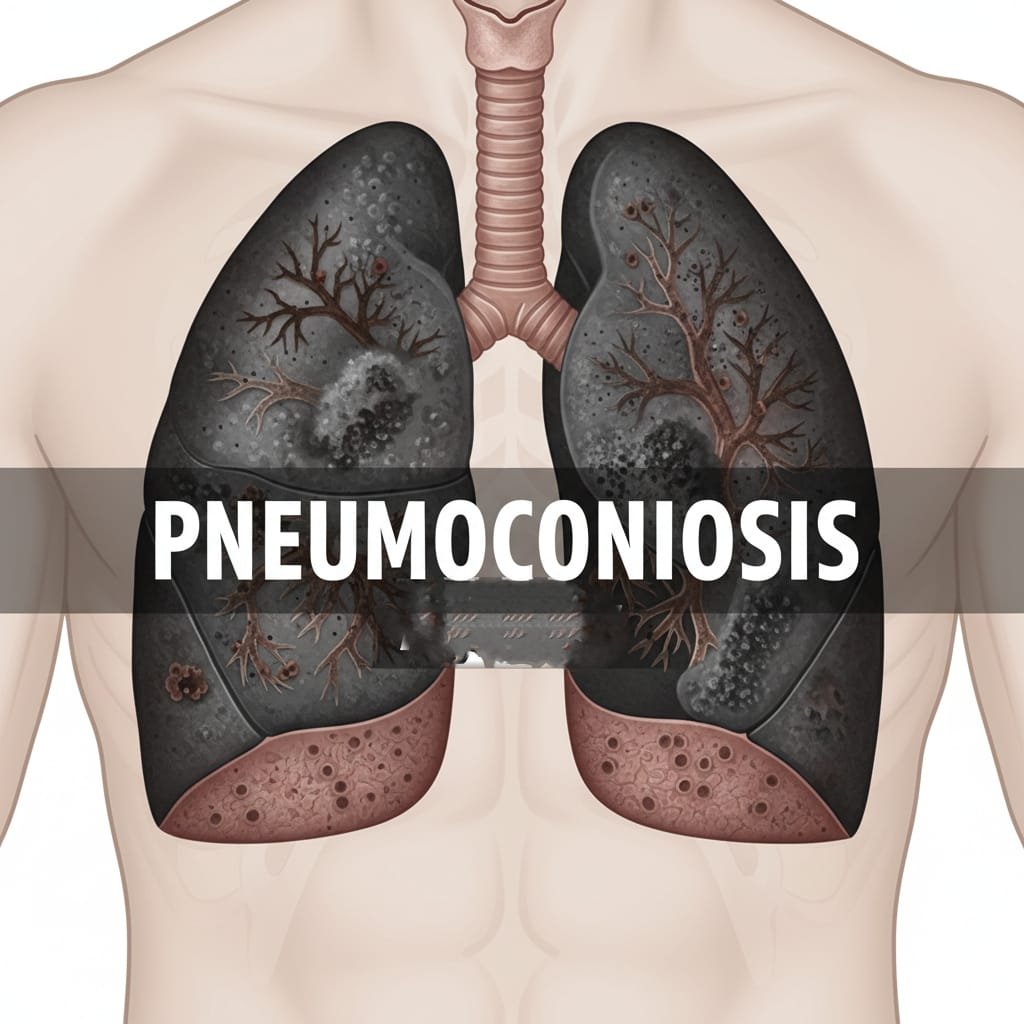
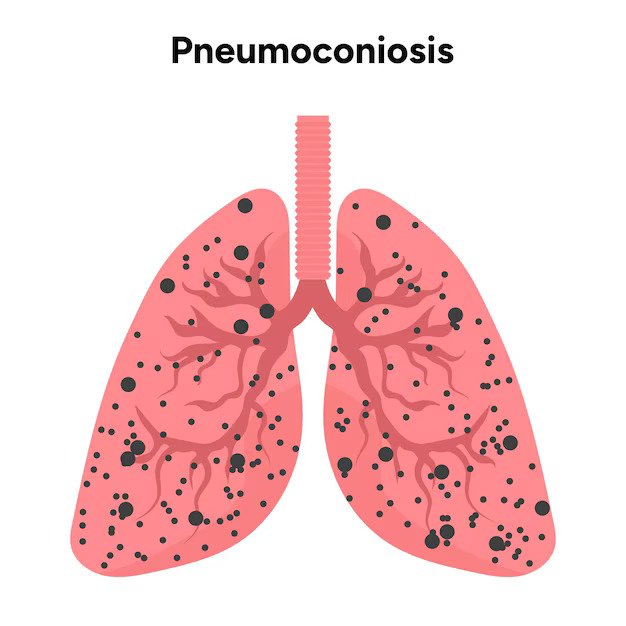
Pneumoconiosis refers to lung disease caused by inhaling certain dust particles, usually over a prolonged period. These particles can become lodged deep inside the lungs. The body’s response may lead to inflammation and, in some cases, permanent scar tissue called fibrosis.
The type of pneumoconiosis depends partly on the dust involved. Common examples include:
- Silicosis: Associated with inhalation of respirable crystalline silica.
- Coal workers’ pneumoconiosis: Develops after prolonged exposure to coal mine dust.
- Asbestosis: Caused by inhaling asbestos fibres over time.
The severity of disease varies. Some people have mild changes with few symptoms, while others may develop significant breathing problems or progressive fibrosis.
What Are the Common Pneumoconiosis Symptoms?
Pneumoconiosis Symptoms can vary according to the type of dust exposure, the amount and duration of exposure, and the extent of lung damage.
Common symptoms may include:
- Persistent cough
- Shortness of breath
- Reduced exercise tolerance
- Chest discomfort
- Fatigue
- Wheezing in some patients
- Increasing difficulty with breathing as disease progresses
Some people may have no obvious symptoms during the early stages. Others may notice breathlessness first during physical activity and later during routine activities. A persistent cough or unexplained breathlessness should not automatically be assumed to be pneumoconiosis. Other lung and heart conditions can produce similar symptoms, which is why medical assessment is useful.
Pneumoconiosis Treatment in Bhopal : What Causes Pneumoconiosis?
The primary Pneumoconiosis Causes include long-term exposure to dust particles that are small enough to reach deep into the lungs and trigger inflammation and scarring over time. These causes are the main reason why Pneumoconiosis Treatment in Bhopal is often required in individuals with a history of occupational exposure.
Potential sources include:
- Silica dust
- Coal dust
- Asbestos fibres
- Mining activities
- Stone cutting and grinding
- Quarry work
- Construction work
- Sandblasting
- Manufacturing processes
- Other industrial environments where harmful dust is generated
Exposure does not mean that every worker will develop pneumoconiosis. Proper engineering controls, ventilation, safe work practices, respiratory protection, and workplace health monitoring can reduce the risk.
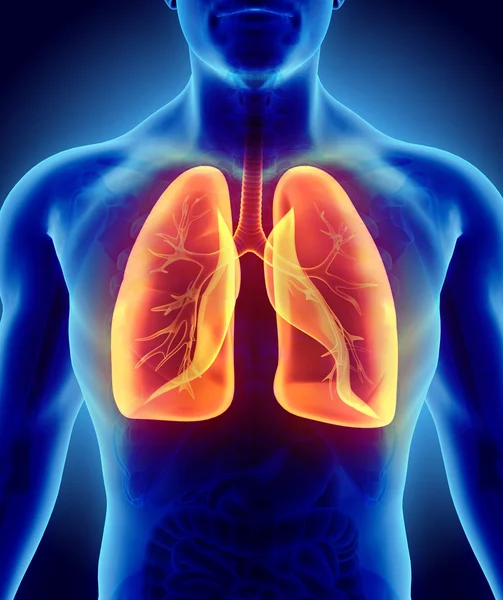
Pneumoconiosis Treatment in Bhopal – What Are the Treatment Options?
The approach to Pneumoconiosis Treatment in Bhopal depends on the type of pneumoconiosis, the amount of lung damage, current symptoms, oxygen levels, associated lung conditions, and whether dust exposure is continuing.
There is no single treatment suitable for every patient. Management may involve:
Reducing Further Dust Exposure
The first step is often to reduce or stop further exposure to the harmful dust responsible for the lung disease. Appropriate workplace controls and occupational safety measures are important.
Managing Associated Airway Problems
Some patients may also have asthma, COPD, or another airway condition. If such a condition is present, a doctor may recommend appropriate inhaled treatment based on the individual's clinical assessment.
Pulmonary Rehabilitation
Pulmonary rehabilitation may help selected patients improve exercise capacity, breathing techniques, physical conditioning, and confidence in managing daily activities.
Oxygen Therapy
Some people with significant impairment may have low oxygen levels. Oxygen therapy can be considered for selected patients after appropriate medical assessment and oxygen evaluation.
Regular Monitoring
Follow-up may include symptom assessment, lung function testing, oxygen assessment, or imaging when clinically appropriate. Monitoring helps doctors understand whether lung function is stable or changing.
Management of Advanced Disease
Patients with severe or progressive lung disease may require assessment by an experienced pulmonary team. Treatment is individualized according to disease severity and associated complications.
How Can Pneumoconiosis Be Prevented?
Prevention focuses on reducing exposure to harmful dust before significant lung damage occurs.
Useful measures include:
- Effective workplace dust-control systems
- Proper ventilation and engineering controls
- Appropriate respiratory protection
- Following occupational health and safety procedures
- Regular workplace health monitoring
- Avoiding smoking
- Reporting persistent respiratory symptoms early
- Medical evaluation after significant occupational exposure
In Pneumoconiosis Treatment in Bhopal, employers and workers both have important roles in reducing workplace dust. Respiratory protection can be valuable, but it should form part of a broader dust-control programme rather than being treated as the only preventive measure.
Can Pneumoconiosis Cause Other Lung Problems?
Occupational dust exposure can be associated with additional respiratory problems, depending on the specific dust and the individual’s health.
Possible complications or associated problems include:
- Persistent respiratory symptoms
- Reduced lung function
- Increased susceptibility to respiratory infections
- Progressive pulmonary fibrosis
- Respiratory failure in advanced disease
Silica exposure is particularly important because silicosis is associated with an increased risk of tuberculosis. However, this does not mean that every person with silica exposure will develop tuberculosis. New or worsening symptoms should be assessed rather than assumed to be part of the existing occupational lung disease.
When Should You See a Pneumoconiosis Specialist in Bhopal?
A Pneumoconiosis Specialist in Bhopal may be appropriate for people who have a history of significant workplace dust exposure and develop persistent respiratory symptoms.
Consider specialist evaluation if you have:
- Persistent cough after occupational dust exposure
- Breathlessness during routine activities
- Reduced exercise tolerance
- An abnormal chest X-ray
- Abnormal CT findings
- A long history of mining, construction, quarry, stone-cutting, or industrial work
- Worsening respiratory symptoms
- Declining lung function after occupational exposure
A specialist assessment can help determine whether symptoms are related to pneumoconiosis or another respiratory condition and whether further testing is needed.
Why Consult Dr. Daksh Sharma for Pneumoconiosis Care in Bhopal?
Dr. Daksh Sharma is a pulmonologist with advanced training in pulmonary medicine, critical care, sleep medicine, and interventional pulmonology. He completed MD in Pulmonary Medicine from Peoples College of Medical Sciences and Research Centre, Bhopal, and DM in Pulmonary Medicine & Critical Care from Amala Institute of Medical Sciences, Thrissur. He also holds FCCS training.
His professional experience includes pulmonary medicine and critical care roles at Rajiv Gandhi Super Speciality Government Hospital, Delhi, and Chirayu Medical College & Hospital, Bhopal. His clinical experience includes management of complex respiratory conditions and patients requiring critical care. He has also managed more than 200 ILD patients in ILD clinics at various centres of excellence.
For patients seeking a Pneumoconiosis Doctor in Bhopal, his background in pulmonary medicine, pulmonary function assessment, critical care, and interventional pulmonology can support a structured evaluation of complex respiratory concerns. Interventional expertise includes procedures such as bronchoscopy, EBUS, transbronchial lung biopsy, pleural biopsy, thoracoscopy, and other diagnostic and therapeutic pulmonary procedures when clinically indicated.
Frequently Asked Questions
Pneumoconiosis Treatment in Bhopal is based on the type and severity of lung disease, symptoms, oxygen levels, and ongoing or previous dust exposure. Management may include reducing further exposure, treating associated airway conditions when appropriate, pulmonary rehabilitation, oxygen therapy for selected patients, vaccination, infection prevention, and regular monitoring. Established scarring may not be reversible, so treatment focuses on protecting remaining lung function and managing complications.
People seeking Pneumoconiosis Treatment in Bhopal may have persistent cough, breathlessness, reduced exercise tolerance, fatigue, chest discomfort, or progressive difficulty breathing. Symptoms can vary depending on the dust involved and the amount of lung damage. These symptoms can also occur with other respiratory diseases, so a medical evaluation is needed to identify the underlying cause rather than assuming that pneumoconiosis is responsible.
Pneumoconiosis Causes include long-term inhalation of occupational dust such as silica, coal dust, or asbestos fibres. People working in mining, construction, stone cutting, quarrying, sandblasting, and certain industrial settings may have increased exposure. Pneumoconiosis Treatment in Bhopal may be considered when occupational lung disease is identified or suspected, with management tailored to the person's symptoms, exposure history, and lung function.
Pneumoconiosis Diagnosis in Bhopal usually involves an occupational history, exposure assessment, physical examination, chest imaging, and pulmonary function testing. A chest X-ray may be used, while high-resolution CT can be considered when clinically indicated. Oxygen assessment and other investigations may also be required. No single test confirms every type of pneumoconiosis, so the overall clinical picture is important.
Pneumoconiosis Treatment in Bhopal cannot always reverse established lung scarring. However, appropriate management can reduce further exposure, control symptoms, monitor lung function, support physical activity, and address complications. The course of disease differs from person to person. Regular follow-up with a pulmonary specialist can help assess changes in symptoms and lung function and guide care according to individual needs.
People with a history of substantial occupational dust exposure and persistent respiratory symptoms may need assessment for Pneumoconiosis Treatment in Bhopal. This includes workers from mining, construction, quarrying, stone cutting, manufacturing, and other dusty workplaces. Breathlessness, persistent cough, abnormal chest imaging, or declining lung function can be reasons to seek medical evaluation. Early assessment can help identify the cause and guide appropriate respiratory care.
Yes. Repeated inhalation of respirable crystalline silica can cause silicosis, a form of pneumoconiosis. Pneumoconiosis Treatment in Bhopal for an affected person depends on the severity of lung disease and may involve preventing further exposure, monitoring lung function, managing symptoms and associated conditions, and assessing complications. Silica exposure is also associated with an increased risk of tuberculosis, so appropriate medical evaluation is important.
A Pneumoconiosis Specialist in Bhopal can review the patient's occupational history, symptoms, imaging, and lung function to determine whether dust exposure may have affected the lungs. Specialist assessment can also help distinguish pneumoconiosis from other respiratory conditions that may look similar. Dr. Daksh Sharma's pulmonary medicine and critical care training provides experience relevant to the assessment of complex respiratory conditions.
Pneumoconiosis can remain stable in some people, while others may develop progressive lung impairment, particularly when significant exposure continues or disease is advanced. A Pneumoconiosis Doctor in Bhopal can assess changes in symptoms, lung function, oxygen levels, and imaging when appropriate. Reducing further dust exposure is an important part of management. Regular follow-up may help identify changes early.
A Pneumoconiosis Doctor in Bhopal may be appropriate if you have a history of occupational dust exposure along with persistent cough, breathlessness, reduced exercise tolerance, abnormal chest imaging, or declining lung function. Pneumoconiosis Diagnosis in Bhopal may involve exposure history, examination, imaging, and pulmonary function testing. If breathing symptoms suddenly become severe, urgent medical attention may be required rather than waiting for a routine appointment.