
- Home
- Lung Cancer
Lung Cancer Treatment in Bhopal
Lung Cancer Treatment in Bhopal develops when abnormal cells in the lung grow in an uncontrolled way. It can begin in different parts of the lung and may behave differently depending on its type, stage and other biological features. Finding the condition early, when possible, can help doctors understand the disease and discuss appropriate treatment options. Common concerns include a cough that does not settle, blood in sputum, unexplained weight loss, chest pain or repeated chest infections. These symptoms do not automatically mean cancer, but persistent or unexplained changes in breathing deserve proper medical evaluation.
Lung Cancer Treatment in Bhopal starts with understanding what is causing the symptoms and confirming the diagnosis when cancer is suspected. A pulmonologist may coordinate imaging, bronchoscopy, biopsy and other investigations before treatment decisions are made. Dr. Daksh Sharma is a Pulmonologist and Interventional Pulmonologist with MBBS, MD in Pulmonary Medicine, DM in Pulmonary Medicine & Critical Care and FCCS. His professional experience includes bronchoscopy, EBUS, lung and lymph-node FNAC, pleural biopsy, thoracic procedures and critical care.
What Is Lung Cancer Treatment in Bhopal?
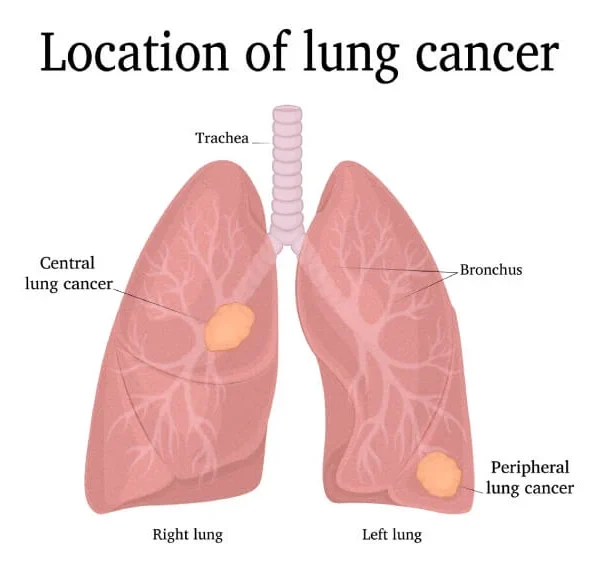
Lung Cancer Treatment in Bhopal is a group of cancers that begin in cells of the lung. Normally, cells grow, divide and are replaced in a controlled manner. Cancer develops when abnormal cells continue growing and dividing without the usual controls. There are several types of lung cancer. The two broad categories are non-small cell lung cancer and small cell lung cancer. These cancers differ in how they grow and spread, so identifying the exact type is important when planning care.
Lung cancer can sometimes remain without obvious symptoms during its early stages. In other cases, a person may notice respiratory symptoms that continue or gradually change. An abnormal finding on a chest X-ray or CT scan does not automatically mean cancer. Infection, inflammation, scars and several other conditions can produce similar findings. Further investigation is therefore needed before a diagnosis is made.
What Are the Common Lung Cancer Symptoms in Bhopal Patients?
Lung Cancer Symptoms in Bhopal can vary depending on where the tumor develops, its size and whether it has affected other parts of the body.
Possible symptoms include:
- A persistent or changing cough
- Coughing up blood
- Chest pain
- Shortness of breath
- Wheezing
- Hoarseness
- Repeated chest infections
- Unexplained weight loss
- Ongoing fatigue
- Reduced appetite
A cough that changes after years of being stable deserves attention, especially when it is accompanied by other symptoms. Blood in sputum should also be medically evaluated rather than ignored. At the same time, Lung Cancer Symptoms in Bhopal are not specific to cancer. A persistent cough may result from asthma, COPD, infection, smoking-related airway irritation or other respiratory problems. The purpose of an evaluation is not to assume cancer. It is to find the actual reason for the symptoms.
Who Is at Higher Risk of Lung Cancer?
Risk is influenced by several factors rather than one single cause. People who may have a higher risk include those with a significant smoking history, long-term exposure to second-hand smoke, certain occupational exposures, previous chest radiation or prolonged exposure to air pollution.
A strong family history can also be relevant. Certain genetic changes may increase susceptibility, although most people with lung cancer do not have a simple inherited cause. People with chronic lung conditions may require individual assessment based on their overall history.
It is also possible for someone without an obvious risk factor to develop lung cancer. That is why persistent symptoms should not automatically be dismissed because a person does not smoke. For someone experiencing concerning symptoms, a Lung Cancer Specialist in Bhopal can review the medical history, examine the lungs and decide whether further investigation is appropriate.
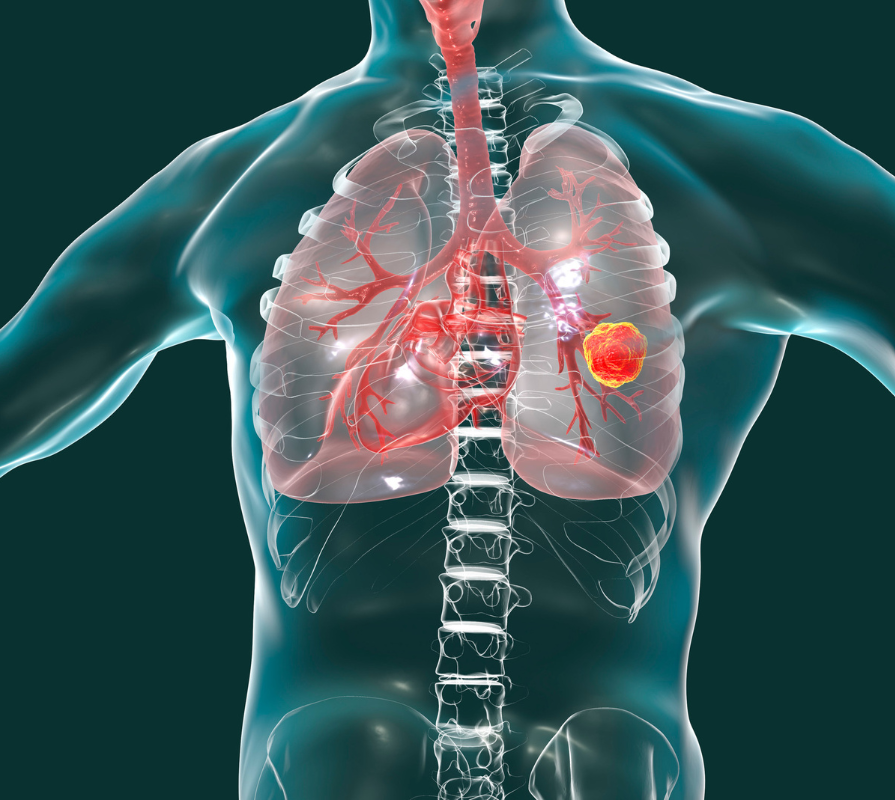
What Causes Lung Cancer Treatment in Bhopal?
Smoking is the best-known risk factor for lung cancer, but it is not the only one.
Important risk factors include:
Smoking
Tobacco smoke contains substances that can damage lung cells over time. Both the amount smoked and the duration of exposure can influence risk.
Air Pollution
Long-term exposure to certain forms of air pollution has been associated with increased lung cancer risk. The effect can vary depending on the type and level of exposure.
Occupational Exposure
Some workplaces involve exposure to substances that can increase cancer risk. Appropriate occupational safety measures are important for workers who may encounter harmful dust, chemicals or other agents.
Radon
Radon is a naturally occurring radioactive gas that can accumulate in certain buildings. Long-term exposure is a recognized lung cancer risk factor.
Second-Hand Smoke
Regular exposure to tobacco smoke from other people can also contribute to lung cancer risk.
Family and Genetic Factors
A family history of lung cancer may be relevant, although having a relative with lung cancer does not mean a person will definitely develop the disease.
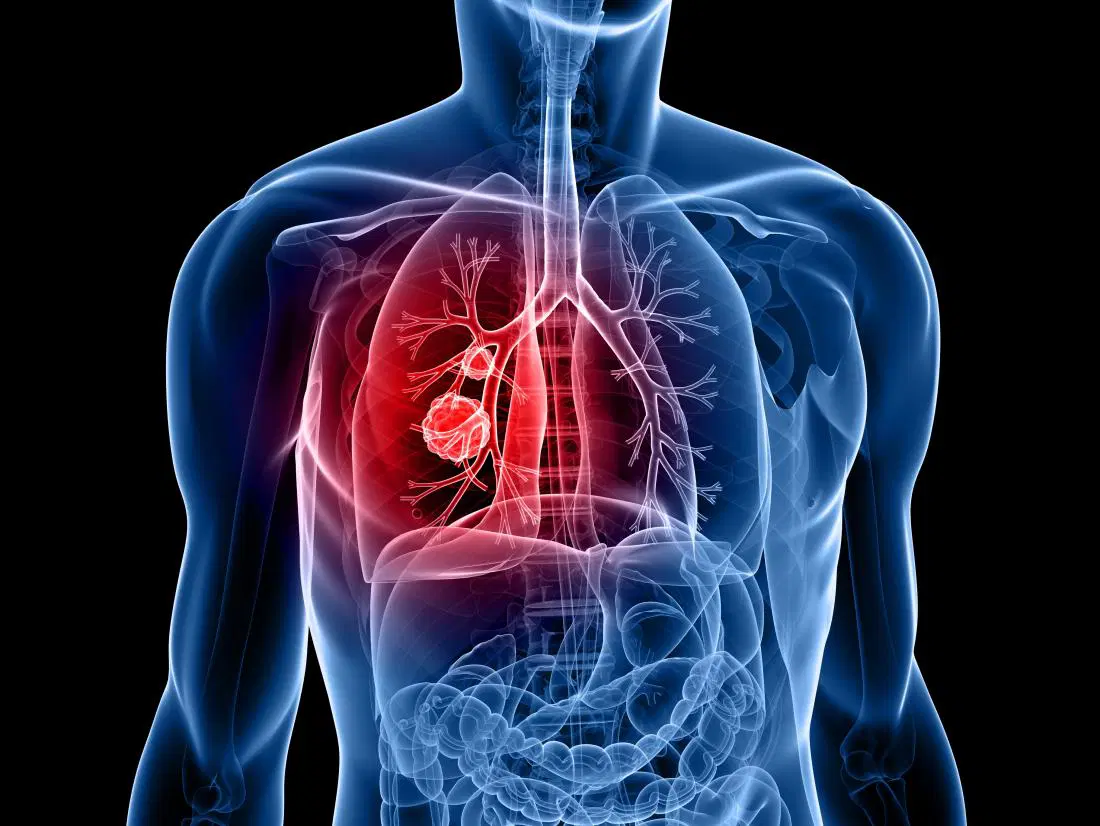
Who Is at Higher Risk of Lung Cancer?
Risk is influenced by several factors rather than one single cause. People who may have a higher risk include those with a significant smoking history, long-term exposure to second-hand smoke, certain occupational exposures, previous chest radiation or prolonged exposure to air pollution.
A strong family history can also be relevant. Certain genetic changes may increase susceptibility, although most people with lung cancer do not have a simple inherited cause. People with chronic lung conditions may require individual assessment based on their overall history.
It is also possible for someone without an obvious risk factor to develop lung cancer. That is why persistent symptoms should not automatically be dismissed because a person does not smoke. For someone experiencing concerning symptoms, a Lung Cancer Specialist in Bhopal can review the medical history, examine the lungs and decide whether further investigation is appropriate.
How Is Lung Cancer Diagnosed in Bhopal?
Lung Cancer Diagnosis in Bhopal usually involves several steps. The exact pathway depends on symptoms, examination findings and what is seen on initial imaging.
Medical History and Examination
The doctor may ask about cough, breathing difficulty, chest pain, weight changes, smoking, occupational exposure, previous illnesses and family history.
Chest X-ray
A chest X-ray may identify an abnormal shadow, mass or other change in the lungs. However, an X-ray alone cannot confirm lung cancer.
CT Scan
A CT scan provides more detailed images of the lungs and chest. It can help doctors understand the size and location of an abnormality and whether other areas need closer assessment.
PET-CT
A PET-CT may be used in selected patients when doctors need additional information about the activity and possible spread of a suspected cancer.
Bronchoscopy
Bronchoscopy allows a specialist to examine the airways using a thin camera. Depending on the location of an abnormality, tissue or cell samples may be collected.
Biopsy and Pathology
A biopsy provides tissue for examination under a microscope. Pathology helps establish whether cancer is present and, when applicable, what type it is.
Staging Investigations
Once cancer is confirmed, additional tests may be needed to determine its stage. Not every patient needs every test.
This step-by-step approach makes Lung Cancer Diagnosis in Bhopal more precise and helps doctors understand which treatment options may be appropriate.
What Is Lung Cancer Screening and Who May Need It?
Lung Cancer Screening in Bhopal is different from investigating symptoms. Screening is performed in people who do not have symptoms but may have a higher risk of developing lung cancer. For eligible high-risk individuals, screening may involve a low-dose CT scan of the chest.
Eligibility is not based on smoking history alone. Age, the amount and duration of smoking and current clinical recommendations all matter. Screening guidelines can change, so people should discuss their individual risk with a healthcare professional. A chest X-ray is generally not a substitute for recommended low-dose CT screening in eligible high-risk groups.
People with symptoms such as coughing up blood, persistent cough or unexplained weight loss need diagnostic evaluation rather than simply being treated as a screening case. For patients considering Lung Cancer Screening in Bhopal, the appropriate approach should be based on current eligibility criteria and personal risk.
Frequently Asked Questions
Early Lung Cancer Symptoms in Bhopal patients can include a persistent or changing cough, repeated chest infections, unexplained weight loss, chest discomfort, breathlessness or blood in sputum. These symptoms are not specific to cancer and can occur with several other lung conditions. If symptoms persist or change, a medical evaluation can help identify the actual cause rather than relying on symptoms alone.
No. A persistent cough can have many causes, including asthma, COPD, allergies, infections, smoking-related airway irritation and other respiratory conditions. However, a cough that persists, changes character or occurs with blood in sputum, unexplained weight loss or chest pain should be assessed. Lung Cancer Symptoms in Bhopal should be considered in the context of the person's complete medical history and examination.
Yes. Smoking is a major risk factor, but lung cancer can also occur in people who have never smoked. Other factors can include second-hand smoke, air pollution, occupational exposures, radon, previous radiation and genetic factors. A non-smoker with concerning symptoms may still require appropriate evaluation. A Lung Cancer Specialist in Bhopal can assess individual risk rather than assuming that smoking history is the only consideration.
Lung Cancer Diagnosis in Bhopal may involve a medical examination, chest X-ray, CT scan and, when appropriate, PET-CT, bronchoscopy or biopsy. Tissue or cell testing is often needed to confirm cancer and identify its type. Additional investigations may then be used for staging. Not every patient requires every test. The diagnostic plan depends on the abnormality, symptoms and overall clinical picture.
Lung Cancer Screening in Bhopal is generally considered for people who meet specific high-risk criteria, particularly based on age and smoking history. Current screening recommendations should be checked because eligibility criteria can change. Screening is intended for people without symptoms. If symptoms such as coughing up blood or persistent unexplained cough are already present, diagnostic evaluation is more appropriate than relying on screening alone.
Tests used during Lung Cancer Diagnosis in Bhopal can include chest X-ray, CT, PET-CT, bronchoscopy, EBUS, biopsy and pathology. The exact combination depends on the location of the abnormality and the clinical situation. Some patients may need a tissue sample to confirm the diagnosis. Lung Cancer Screening in Bhopal is different because screening generally refers to testing eligible people who do not have symptoms.
Lung cancer treatment and outcomes vary widely. The type and stage of cancer, molecular findings, overall health and response to treatment all influence the situation. Some cancers can be treated with curative intent, while others may require long-term disease control and symptom management. Lung Cancer Treatment in Bhopal should therefore be discussed after the diagnosis and stage are established rather than assuming a particular outcome.
A Lung Cancer Specialist in Bhopal may be appropriate if you have persistent cough, coughing up blood, unexplained weight loss, repeated chest infections, persistent chest pain or an abnormal chest scan. These findings do not prove cancer, but they may need further investigation. A Lung Cancer Doctor in Bhopal can review the available reports and determine whether additional imaging, bronchoscopy or tissue sampling is appropriate.
No. Smoking significantly increases lung cancer risk, but not every smoker develops lung cancer, and not every person with lung cancer has smoked. Risk is influenced by several factors, including duration and amount of tobacco exposure, second-hand smoke, occupational exposures and other environmental or biological factors. People with significant smoking exposure may discuss Lung Cancer Screening in Bhopal with a healthcare professional to determine whether they meet current screening criteria.
Lung Cancer Treatment in Bhopal may include surgery, radiation therapy, chemotherapy, targeted therapy, immunotherapy or supportive and palliative care. The appropriate approach depends on the cancer type, stage, molecular findings, general health and patient preferences. A Lung Cancer Specialist in Bhopal can help explain the available options after the diagnosis and staging information are available. Treatment should be individualized rather than based on a single standard plan.