
- Home
- Pyothorax
Pyothorax Treatment in Bhopal
Pyothorax is a condition in which pus or infected purulent fluid collects in the pleural space, the thin area between the lungs and the chest wall. It is commonly known as empyema or empyema thoracis. Unlike a simple pleural effusion, empyema involves infection within the fluid surrounding the lung. The condition may develop after pneumonia, another chest infection, tuberculosis, chest surgery, trauma or certain underlying illnesses. Symptoms can include fever, chest pain, cough, breathlessness, weakness and loss of appetite. Because an established pleural infection can become more complicated if it is not appropriately treated, timely medical evaluation is important.
Pyothorax Treatment in Bhopal depends on the cause, amount and nature of infected fluid, imaging findings, the person’s symptoms and overall health. Treatment may involve antibiotics, pleural drainage and, in selected complicated cases, additional procedures. Dr. Daksh Sharma is a Pulmonologist and Interventional Pulmonologist with MBBS, MD in Pulmonary Medicine, DM in Pulmonary Medicine & Critical Care and FCCS. His professional experience includes complex respiratory conditions, critical care, pleural evaluation, bedside thoracic ultrasonography and pleural procedures.
What Is Pyothorax or Empyema?
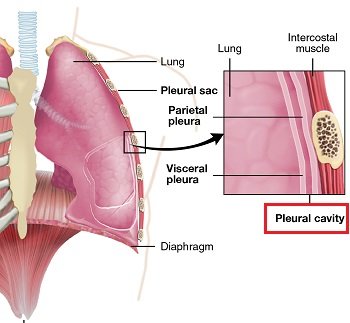
The lungs are covered by a thin lining called the pleura. One layer lies over the lung, while the other lines the inside of the chest wall. Between these layers is a very small space called the pleural space. Normally, only a small amount of lubricating fluid is present there. When infection causes pus or infected purulent material to collect in this space, the condition is called empyema. Pyothorax Treatment in Bhopal Pyothorax is another term used for this type of pleural infection, while empyema thoracis is the formal medical term often used in clinical settings.
It is useful to understand the difference:
- Pleural effusion: excess fluid in the pleural space, which can have many causes.
- Pleural infection: infection involving the pleural space or its fluid.
- Empyema / pyothorax: infected purulent fluid or pus within the pleural space.
So, pyothorax is not simply pus inside the lung. The infection and pus are located in the space surrounding the lung. As the infection progresses, the fluid may become thicker and form separate pockets called loculations. This can make drainage more difficult and may influence the choice of treatment.
What Causes Pyothorax?
There are several possible Pyothorax Causes, and identifying the underlying cause is an important part of treatment.
Pneumonia
Pneumonia is one of the important causes of pleural infection. Fluid can collect around the lung during pneumonia. In some patients, this fluid becomes infected and may progress to empyema.
Complicated Parapneumonic Effusion
A parapneumonic effusion is fluid that develops alongside pneumonia. Not every parapneumonic effusion is an empyema. However, when infection progresses, the fluid can become complicated and eventually contain pus.
Tuberculosis
Tuberculosis can affect the pleura and cause pleural disease. Chronic or complicated pleural infection may occur in some situations. Proper testing is necessary to establish whether TB is responsible.
Chest Surgery or Trauma
Pleural infection can occasionally develop after chest surgery, trauma or other circumstances that introduce infection into the pleural space.
Other Infections
Other infections or nearby infections can sometimes extend into the pleural space. The exact organism and source vary between patients.
Because Pyothorax Causes are not identical in every case, doctors may use imaging, blood tests and pleural fluid testing to understand what is happening.
What Are the Symptoms of Pyothorax?
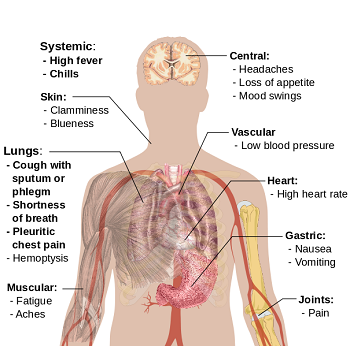
Pyothorax Symptoms can vary depending on how quickly the infection develops, how extensive it is and whether another illness, such as pneumonia, is present.
Common symptoms may include:
- Fever
- Chills
- Chest pain
- Shortness of breath
- Persistent cough
- Weakness or tiredness
- Sweating
- Reduced appetite
- A general feeling of being unwell
Chest pain may become more noticeable with breathing or coughing in some patients. Breathlessness can occur when the infected fluid takes up space around the lung or when the underlying infection is affecting lung function. Some people may have symptoms of the original infection rather than symptoms that clearly point to empyema.
Therefore, Empyema Symptoms should not be used alone to diagnose the condition. A patient with fever and chest discomfort may have pneumonia, pleural effusion, empyema or another condition. Medical assessment is needed to tell these apart.
Is Pyothorax Dangerous?
Pyothorax is a serious pleural infection, but its severity varies from person to person. An untreated or inadequately treated infection can become more complicated. Pus may become thicker, separate into pockets or cause inflammation and scarring around the lung. The infection can also affect breathing and overall health, particularly in people who are older, seriously ill or already have significant lung disease.
The good news is that there are established approaches for managing empyema. The most appropriate Pyothorax Treatment in Bhopal depends on the patient’s condition, imaging findings, the characteristics of the pleural fluid and the suspected cause. Prompt evaluation is particularly important when fever is accompanied by worsening chest pain, breathlessness or a noticeable decline in general health.
Pyothorax vs Pleural Effusion — What Is the Difference?
The terms can sound similar, but they describe different situations.
| Pleural Effusion | Pyothorax / Empyema |
|---|---|
| Excess fluid collects in the pleural space | Infected purulent fluid or pus collects in the pleural space |
| Can have many causes | Usually associated with infection |
| Fluid is not necessarily infected | Infection is a defining feature |
| Treatment depends on the underlying cause | Often requires active treatment of infection and assessment for drainage |
A pleural effusion may occur because of heart, liver, kidney, cancer, inflammation, infection or other conditions. Some effusions are relatively uncomplicated. Empyema is different because infection is present in the pleural space. This distinction matters because Pleural Infection Treatment in Bhopal may require more active management than treatment of a non-infected effusion.
Can Tuberculosis Cause Pyothorax?
Tuberculosis can affect the pleura and cause pleural disease. In selected patients, chronic infection may contribute to a complicated pleural collection. However, not every case of pyothorax is caused by TB. Pyothorax Treatment in Bhopal Pneumonia and other bacterial infections are also important causes. If tuberculosis is suspected, doctors may consider the patient’s history, symptoms, imaging findings and appropriate laboratory or microbiological tests. A diagnosis should not be made based on symptoms alone. Pyothorax Treatment in Bhopal Similarly, patients should not start anti-tuberculosis medicines without appropriate medical evaluation and confirmation of the underlying cause. For someone with previous TB who develops new fever, chest pain, breathlessness or a pleural fluid collection, specialist assessment can help determine whether the current problem is related to previous Pyothorax Treatment in Bhopal disease, a new infection or another condition.
How Is Pyothorax Treated?
The main goals of Pyothorax Treatment in Bhopal are to control the infection, remove infected material when necessary, support the patient’s breathing and general health, and treat the underlying cause.
Treatment may include:
Antibiotic Treatment
Antibiotics are commonly used when a bacterial pleural infection is suspected or confirmed. The choice depends on the clinical situation and, where available, microbiological findings. Patients should take antibiotics only as prescribed by their healthcare professional. The specific medicine and duration depend on individual factors.
Pleural Drainage
When infected fluid needs to be removed, drainage may become an important part of treatment.
Chest Tube Drainage
A chest tube can provide a route for infected pleural fluid to leave the pleural space. Pyothorax Treatment in Bhopal It may be placed using appropriate clinical and imaging guidance depending on the collection.
Intrapleural Treatment
In selected complicated collections, specialists may consider medicines delivered into the pleural space to help improve drainage. This is not appropriate for every patient and requires specialist assessment.
Surgery
If infection remains difficult to control, the collection becomes organized or the lung cannot adequately re-expand, surgical treatment may be considered in selected patients.
The exact Empyema Treatment plan depends on the stage of infection, imaging findings, response to initial treatment and overall health.
Does Pyothorax Always Need Drainage?
Not every pleural fluid collection automatically requires drainage. However, established empyema often requires drainage because antibiotics alone may not adequately remove a significant amount of infected or thick purulent material.
The decision depends on factors such as:
- Amount of pleural fluid
- Appearance and nature of the collection
- Imaging findings
- Presence of loculations
- Pleural fluid test results
- Symptoms
- Overall clinical condition
- Response to initial treatment
This is one reason why distinguishing a simple pleural effusion from empyema is so important.
Pyothorax Treatment in Bhopal should therefore be planned after proper clinical and imaging assessment rather than assuming that every patient needs the same procedure.
Frequently Asked Questions
Yes. Pyothorax Treatment in Bhopal is often discussed in the same context as empyema because both refer to infection in the pleural space. Pyothorax describes the presence of pus or infected fluid, while empyema or empyema thoracis is the medical term for the same condition. It is different from a simple pleural effusion because infection is present. In most cases, Pyothorax Causes include pneumonia or complicated pleural infection, and treatment may require antibiotics, drainage, or full Empyema Treatment in Bhopal depending on severity.
Empyema Symptoms are an important part of identifying pleural infection early. Common symptoms include fever, chest pain, breathlessness, cough, weakness, sweating, and loss of appetite. These symptoms often overlap with pneumonia, which is one of the major Pyothorax Causes. If symptoms persist, doctors may suspect pleural infection and recommend Pyothorax Diagnosis using imaging and pleural fluid testing. Early recognition is important for effective Pyothorax Treatment in Bhopal and to prevent complications.
The main Pyothorax Causes include pneumonia-related infection, complicated parapneumonic effusion, tuberculosis, chest trauma, and post-surgical infections. In many cases, pneumonia is the starting point that later progresses into empyema. Understanding Pyothorax Causes is essential for planning correct Empyema Treatment. Doctors use imaging and pleural fluid analysis as part of Pyothorax Diagnosis to identify the exact source of infection and decide the best Pyothorax Treatment in Bhopal.
Yes, pyothorax is a serious pleural infection and should not be ignored. If not treated properly, it can worsen breathing and overall health. Severe cases may require urgent Empyema Treatment in Bhopal. Warning signs like breathlessness, confusion, or bluish lips need immediate care. Delaying Pyothorax Diagnosis can lead to complications. That is why early Pyothorax Treatment in Bhopal is important, especially when symptoms suggest worsening infection or advanced Empyema Symptoms.
Yes, pneumonia is one of the most common Pyothorax Causes. When infection spreads to the pleural space, it can lead to empyema. This progression may require advanced Empyema Treatment instead of only antibiotics. Not all pneumonia cases develop empyema, but persistent fever or chest pain should prompt Pyothorax Diagnosis. Early detection helps in planning effective Pyothorax Treatment in Bhopal and prevents complications related to pleural infection.