
- Home
- Bronchiectasis
Bronchiectasis Treatment in Bhopal is a long-term lung condition in which the airways become permanently widened and damaged. Because these damaged airways do not clear mucus normally, phlegm can build up and create an environment where respiratory infections occur more easily. Some people have mild symptoms, while others experience a daily cough, frequent chest infections, breathlessness or repeated flare-ups. Coughing up blood can also occur in some patients and should always be discussed with a doctor.
Bronchiectasis Treatment in Bhopal focuses on controlling symptoms, improving mucus clearance, treating infections and managing the underlying cause when one can be identified. Long-term follow-up is often important because bronchiectasis is usually a chronic condition. Dr. Daksh Sharma is a Pulmonologist and Interventional Pulmonologist with MBBS, MD in Pulmonary Medicine, DM in Pulmonary Medicine & Critical Care and FCCS. His experience includes complex respiratory conditions, critical care, bronchoscopy and airway procedures.
What Is Bronchiectasis?
The breathing tubes inside the lungs are called airways. Normally, mucus traps dust and germs, while the body’s natural clearance mechanisms move that mucus out of the airways. In bronchiectasis, parts of the airway become permanently widened or structurally damaged. This can make mucus harder to clear. When mucus remains in the airways, bacteria and other microorganisms may grow more easily, increasing the risk of repeated respiratory infections.
Bronchiectasis Treatment in Bhopal can affect one area of the lung or several areas. Its severity also varies considerably. Some people have occasional symptoms, while others need regular treatment and monitoring. The condition is different from a temporary chest infection. Existing airway damage usually cannot simply be reversed, so management aims to reduce symptoms, prevent complications and protect lung function as much as possible.
What Are the Common Bronchiectasis Symptoms?
Common Bronchiectasis Symptoms include:
- Persistent cough
- Regular production of mucus or phlegm
- Repeated chest infections
- Shortness of breath
- Wheezing
- Fatigue
- Chest discomfort
- Coughing up blood in some patients
The amount and appearance of mucus can change during an infection or flare-up. Some people may notice more coughing in the morning because mucus has accumulated overnight. Not every person experiences the same symptoms. A chronic productive cough can also occur with COPD, asthma, chronic infection and other respiratory conditions. Therefore, symptoms alone cannot confirm Bronchiectasis Treatment in Bhopal. Repeated infections are particularly worth discussing with a pulmonologist. If a person has needed treatment for chest infections several times or has a persistent cough with daily mucus, further evaluation may help determine whether an underlying airway problem is present.
Who Is More Likely to Develop Bronchiectasis?
Bronchiectasis can affect people of different ages. The likelihood may be higher in someone with a history of repeated or severe chest infections, previous tuberculosis, certain immune disorders or chronic inflammatory conditions. People with a history of recurrent pneumonia may also need assessment if they continue to have a productive cough or repeated respiratory infections.
A risk factor does not mean that a person definitely has Bronchiectasis Treatment in Bhopal. Likewise, someone without an obvious risk factor can still develop the condition. The pattern of symptoms matters. A persistent mucus-producing cough, frequent infections and abnormal chest imaging may lead a doctor to investigate further.
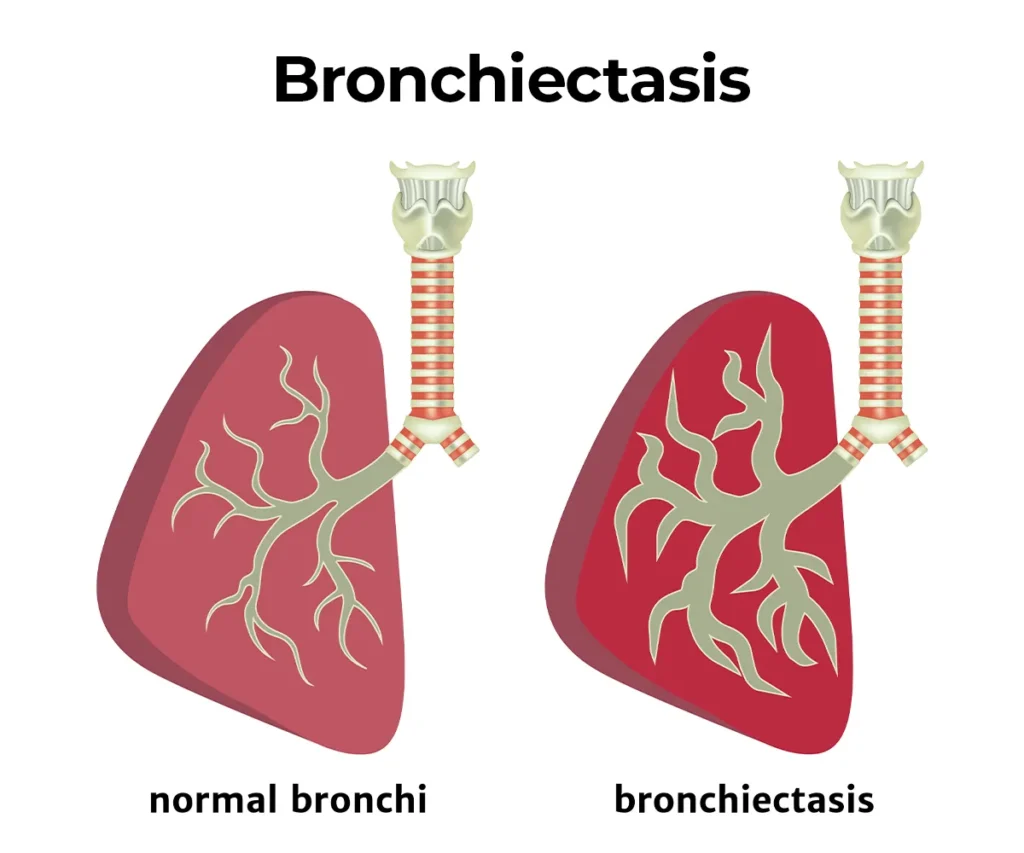
What Causes Bronchiectasis?
There are several possible Bronchiectasis Treatment in Bhopal Causes, and the underlying reason is not always obvious.
Possible causes and associated conditions include:
Previous Severe Infections
Serious respiratory infections, particularly earlier in life, can damage the airways. In some people, this damage later contributes to bronchiectasis.
Cystic Fibrosis
Cystic fibrosis is an inherited condition that can cause thick mucus and repeated lung infections. It is an important cause of bronchiectasis in some patients.
Immune System Problems
Certain immune deficiencies can make a person more prone to repeated respiratory infections, which may contribute to airway damage.
Abnormal Airway Clearance
If mucus cannot be cleared effectively, repeated infection and inflammation can gradually damage the airways.
Aspiration
Repeated entry of food, liquid or stomach contents into the airways can contribute to chronic airway inflammation in selected patients.
Recurrent childhood respiratory infections and other chronic lung conditions may also play a role. However, sometimes doctors cannot identify one clear cause. Understanding the possible Bronchiectasis Causes can still be useful because treating an underlying problem may improve long-term management.
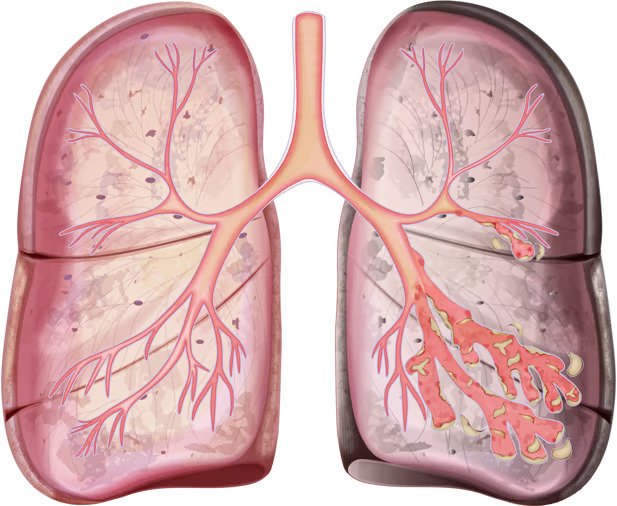
Who Is More Likely to Develop Bronchiectasis?
Bronchiectasis Treatment in Bhopal can affect people of different ages. The likelihood may be higher in someone with a history of repeated or severe chest infections, previous tuberculosis, certain immune disorders or chronic inflammatory conditions. People with a history of recurrent pneumonia may also need assessment if they continue to have a productive cough or repeated respiratory infections.
A risk factor does not mean that a person definitely has bronchiectasis. Likewise, someone without an obvious risk factor can still develop the condition. The pattern of symptoms matters. A persistent mucus-producing cough, frequent infections and abnormal chest imaging may lead a doctor to investigate further.
Bronchiectasis Treatment in Bhopal – What Are the Treatment Options?
Bronchiectasis Treatment in Bhopal is individualized. The aim is not simply to suppress the cough. Treatment focuses on helping clear mucus, managing infections, reducing flare-ups and addressing any underlying cause that can be identified.
Depending on the patient, management may include:
Airway Clearance
Airway clearance techniques can help move mucus out of the lungs. These may include breathing techniques, physiotherapy or devices recommended by a trained healthcare professional.
Treatment of Respiratory Infections
When a bacterial infection is diagnosed or strongly suspected, antibiotics may be used according to the treating doctor’s assessment. Patients should not start antibiotics on their own.
Inhaled Medicines
Some patients may benefit from inhaled medicines, including bronchodilators, particularly when there is associated airway narrowing or another respiratory condition.
Pulmonary Rehabilitation
People with significant breathlessness or reduced exercise capacity may benefit from a structured pulmonary rehabilitation programme.
Vaccination and Infection Prevention
Appropriate vaccination and measures that reduce the risk of respiratory infections can form part of long-term care.
Treating the Underlying Cause
If bronchiectasis is linked to an immune problem, aspiration, an autoimmune condition or another treatable cause, addressing that condition can be an important part of management.
Specialist Procedures
In selected severe cases, bronchoscopy or surgery may be considered. These options are not required for everyone.
The goal of Bronchiectasis Treatment in Bhopal is to create a management plan that matches the patient’s symptoms, lung function, infection history and underlying condition.
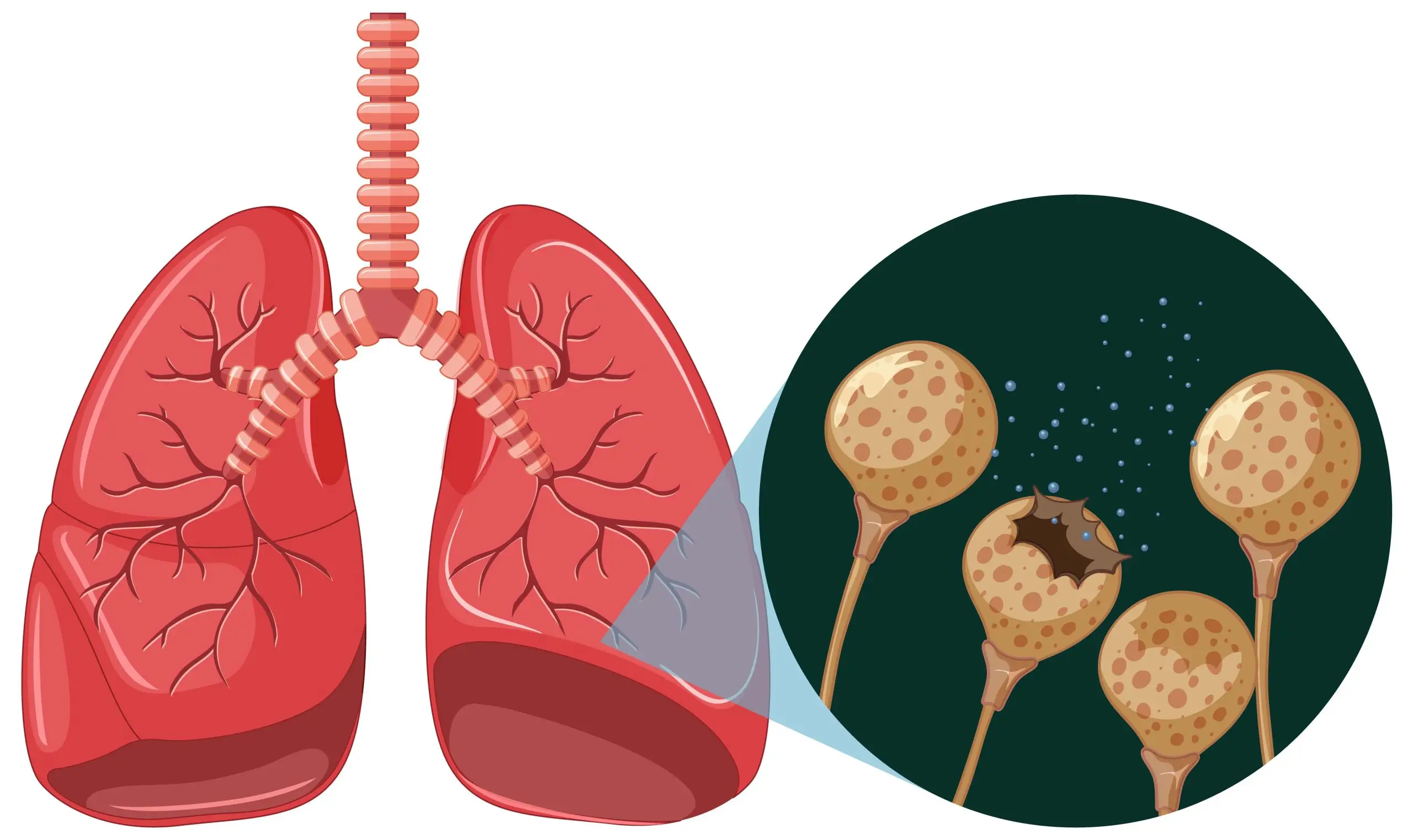
How Are Bronchiectasis Flare-Ups Managed?
A flare-up, or exacerbation, can happen when symptoms become noticeably worse than the person’s usual pattern.
Possible signs include:
- More coughing than usual
- Increased mucus production
- A change in mucus colour or thickness
- Increased breathlessness
- Fatigue
- Fever or other signs of infection
A sudden change does not always mean a bacterial infection, but it deserves attention, especially in someone who has frequent exacerbations. Early medical assessment can help determine whether testing, changes in treatment or other care are needed. Patients should not assume that every flare-up requires the same medicine. Keeping a record of previous infections and treatment can also help the doctor understand the patient’s pattern over time.
Frequently Asked Questions
Bronchiectasis Treatment in Bhopal may include airway clearance techniques, treatment of respiratory infections, selected inhaled medicines, pulmonary rehabilitation, vaccination and management of the underlying cause. Some patients with severe or complicated disease may require specialist procedures. The exact plan depends on symptoms, lung function, infection history and other health conditions. A Bronchiectasis Specialist in Bhopal can help determine which options are appropriate.
Common early Bronchiectasis Symptoms include a long-lasting cough, regular mucus production and repeated chest infections. Some people also experience breathlessness, wheezing or tiredness. These symptoms can occur with other lung conditions as well, so they do not confirm bronchiectasis. If symptoms keep returning, Bronchiectasis Treatment in Bhopal should be discussed with a doctor after appropriate evaluation.
There are several Bronchiectasis Causes, including previous severe infections, tuberculosis, cystic fibrosis, immune problems, aspiration and certain autoimmune conditions. Sometimes no clear cause is found. Treatment is generally considered when bronchiectasis has been confirmed and symptoms or infection risk need management. A Bronchiectasis Doctor in Bhopal can assess the underlying cause and develop an appropriate care plan.
Bronchiectasis Diagnosis may involve a medical history, examination, chest imaging, HRCT, sputum testing, lung function tests and selected blood tests. Bronchoscopy may be considered in particular situations. Not everyone needs all of these investigations. Once the diagnosis and possible cause are understood, Bronchiectasis Treatment in Bhopal can be planned according to the patient's symptoms and respiratory health.
Bronchiectasis Treatment in Bhopal generally cannot reverse permanent widening of the airways. However, treatment can help control symptoms, clear mucus, manage infections and reduce flare-ups. Finding and treating an underlying cause may also improve long-term management. A Bronchiectasis Specialist in Bhopal can explain what can realistically be achieved based on the individual's lung condition and medical history.
Mucus clearance is an important part of Bronchiectasis Treatment in Bhopal. A healthcare professional may recommend breathing exercises, airway clearance physiotherapy or selected devices. Regular physical activity may also be useful for some patients. The best approach depends on the person's symptoms and overall health. A Bronchiectasis Doctor in Bhopal can help determine which airway clearance method is appropriate.
Yes, bronchiectasis can sometimes cause blood-streaked sputum because damaged airways may bleed. However, blood in sputum should not automatically be blamed on bronchiectasis. Repeated or significant bleeding needs medical assessment. Depending on the cause, Bronchiectasis Treatment in Bhopal may need to be adjusted or additional investigations may be required. A Bronchiectasis Specialist in Bhopal can assess the severity and possible source.
Consider medical evaluation if you have a persistent productive cough, repeated chest infections, increasing breathlessness, recurring mucus production or coughing up blood. These symptoms do not necessarily mean bronchiectasis, but they may need investigation. A Bronchiectasis Doctor in Bhopal can review your symptoms and previous reports. If breathing becomes severely difficult or there is significant bleeding, urgent medical attention is required rather than waiting for a routine appointment.
Bronchiectasis can remain stable in some people, while others experience repeated infections and worsening respiratory symptoms. Factors such as infection frequency, underlying disease, smoking exposure and lung function can influence the course. Appropriate Bronchiectasis Treatment in Bhopal can help manage symptoms and reduce complications. Regular follow-up with a Bronchiectasis Specialist in Bhopal may be useful when symptoms or infections are recurring.
A pulmonologist is commonly involved in evaluating and managing bronchiectasis. A Bronchiectasis Doctor in Bhopal can assess persistent cough, mucus production, recurrent infections, breathing symptoms and abnormal chest imaging. Depending on the situation, evaluation may include HRCT, sputum testing or lung function assessment. Long-term Bronchiectasis Treatment in Bhopal is usually tailored to the individual's symptoms, infection pattern and underlying cause.