- Home
- Pulmonary Embolism
Pulmonary Embolism Treatment in Bhopal
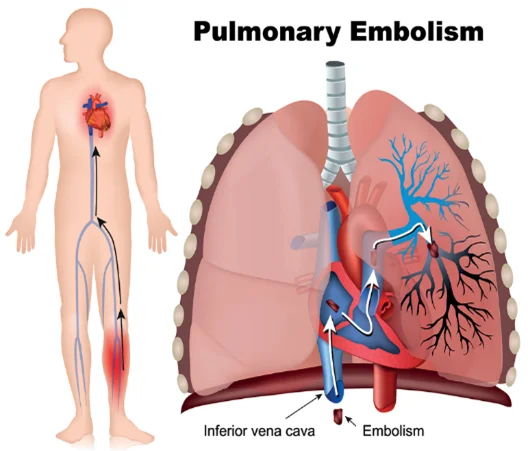
A pulmonary embolism (PE) occurs when a blood clot blocks a blood vessel carrying blood to the lungs. In many cases, the clot begins in a deep vein of the leg or pelvis, a condition called deep vein thrombosis (DVT). If part of the clot travels through the bloodstream and reaches the lungs, it can interfere with blood flow and put strain on the heart. Symptoms can appear suddenly and may include breathlessness, chest pain, a fast heartbeat, dizziness or coughing up blood. Because pulmonary embolism can range from a smaller clot with limited effects to a severe, life-threatening blockage, timely medical assessment is important.
Pulmonary Embolism Treatment in Bhopal depends on the size and location of the clot, blood pressure, oxygen levels, heart function and the person’s overall health. Dr. Daksh Sharma is a Pulmonologist and Interventional Pulmonologist with MBBS, MD in Pulmonary Medicine, DM in Pulmonary Medicine & Critical Care and FCCS. His background includes pulmonary medicine, critical care, complex respiratory conditions and interventional pulmonology.
What Is Pulmonary Embolism?
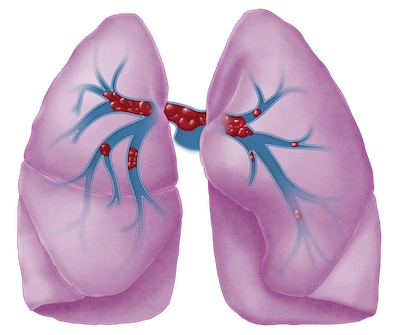
Pulmonary embolism is a blockage in one or more arteries of the lungs, usually caused by a blood clot. The process often starts with DVT. A clot forms in a deep vein, most commonly in the leg. If part of that clot breaks away, it can travel through the bloodstream toward the heart and then enter the pulmonary arteries.
Once the clot reaches the lungs, it can reduce or block blood flow to part of the lung. A larger blockage may place significant strain on the right side of the heart and can affect oxygen levels and blood pressure. Not every clot produces the same symptoms or carries the same level of risk. That is why doctors assess the patient’s symptoms, vital signs, oxygen level, heart function and other clinical findings before deciding how serious the PE may be.
What Are the Common Pulmonary Embolism Symptoms?
Pulmonary Embolism Treatment in Bhopal Symptoms can appear suddenly, although the pattern varies from person to person.
Common symptoms include:
- Sudden shortness of breath
- Chest pain, particularly pain that may worsen while breathing
- Rapid heartbeat
- Cough
- Coughing up blood in some cases
- Dizziness or fainting
- Unexplained anxiety or restlessness
- Low oxygen levels
- Leg swelling or pain when DVT is also present
Chest pain and breathlessness can have many causes, including pneumonia, asthma, heart problems and other respiratory conditions. Symptoms alone cannot confirm a pulmonary embolism. One-sided leg swelling, warmth or tenderness may suggest DVT, especially when it occurs along with sudden breathing difficulty. However, some people with PE may not notice obvious leg symptoms. If sudden unexplained breathlessness, chest pain or fainting develops, routine observation at home is not appropriate. Urgent medical evaluation is needed.
Who Is at Higher Risk of Pulmonary Embolism? Pulmonary Embolism Treatment in Bhopal
People who spend long periods in bed or are recovering from major surgery may have a higher risk. The same applies to some patients who are hospitalized for serious medical conditions.
Risk can also increase with:
- Previous DVT or pulmonary embolism
- Prolonged sitting or long-distance travel
- Active cancer
- Pregnancy or the postpartum period
- Certain medications
- Known blood-clotting disorders
- Certain chronic medical conditions
- Significant immobility
Risk is not determined by one factor alone. A person’s age, medical history, medications and recent events all matter. Someone who has recently undergone surgery and then develops sudden chest pain or breathlessness should receive prompt medical assessment rather than assuming the symptoms are simply part of recovery. Pulmonary Embolism Treatment in Bhopal
What Causes Pulmonary Embolism?
Pulmonary Embolism Causes are usually related to conditions that increase the tendency for blood clots to form.
Important risk factors include:
Deep Vein Thrombosis
DVT is the most common source of pulmonary emboli. A clot in a deep vein can break away and travel to the lungs.
Prolonged Immobility
Long periods of bed rest or sitting can reduce normal blood circulation and increase clot risk. This can occur during hospitalization, recovery from illness or lengthy travel.
Surgery and Hospitalization
Certain operations, particularly major surgery, can temporarily increase the risk of DVT and PE. Doctors may use preventive measures for patients considered at higher risk.
Pregnancy and the Postpartum Period
Pregnancy changes the body's clotting system and can increase the risk of venous blood clots. The risk remains elevated for a period after delivery.
Hormonal Medicines and Other Factors
Some hormonal medicines may increase clot risk in appropriate circumstances. Obesity, age and other medical conditions can also contribute.
Having one risk factor does not mean that a person definitely has PE. Pulmonary Embolism Causes and individual risk need to be considered together.
Can Pulmonary Embolism Be Prevented?
Prevention depends on a person’s individual risk. For people undergoing surgery or hospitalization, doctors may recommend measures to reduce clot formation. These can include early movement when medically appropriate, mechanical prevention methods or prescribed preventive anticoagulation for selected high-risk patients.
During long periods of travel or sitting, staying mobile when possible can help maintain circulation.
Other useful steps include:
- Following medical advice after surgery
- Managing conditions that increase clot risk
- Following an individualized prevention plan
- Recognizing possible DVT symptoms
- Discussing previous DVT or PE with healthcare professionals
Preventive medication should only be taken when recommended by a qualified clinician.
Pulmonary Embolism Treatment in Bhopal – What Are the Treatment Options?
Pulmonary Embolism Treatment in Bhopal depends on the severity of the clot and the patient’s clinical condition.
Anticoagulant Treatment
Anticoagulants, often called blood thinners, are commonly used to prevent existing clots from growing and reduce the chance of new clots forming. The specific medicine and duration depend on the patient’s situation. Patients should never start, stop or change anticoagulant treatment without medical guidance because these medicines can cause bleeding and require individualized assessment.
Emergency Treatment for Severe PE
A patient with a high-risk pulmonary embolism may have very low blood pressure, significant heart strain or other signs of cardiovascular instability. Such cases require urgent hospital treatment.
Thrombolytic Therapy
Clot-dissolving treatment may be considered in selected life-threatening situations. It is not appropriate for every pulmonary embolism because it can cause serious bleeding.
Catheter-Based Treatment
In selected patients, specialists may consider catheter-based procedures to remove or treat the clot. The decision depends on the patient’s risk level, clinical condition and available expertise.
Surgical Embolectomy
Surgical removal of a clot may be considered in specific severe situations when other approaches are unsuitable or unsuccessful.
Supportive Care
Oxygen and other supportive measures may be needed when oxygen levels are low or the patient is clinically unstable.
Treatment also includes addressing the underlying DVT and reducing the risk of another clot where appropriate.
When Should You See a Pulmonary Embolism Specialist in Bhopal?
A Pulmonary Embolism Specialist in Bhopal may be involved when a patient has suspected or confirmed PE, particularly when the case is complex or requires respiratory and critical-care assessment. However, acute symptoms should not be managed by waiting for a routine specialist appointment.
Seek urgent medical care for:
- Sudden unexplained breathlessness
- Sudden chest pain
- Coughing up blood
- Fainting or severe dizziness
- Very rapid heartbeat with breathing difficulty
- New symptoms after major surgery or prolonged immobility
- Breathing symptoms in someone with known DVT
A Pulmonary Embolism Specialist in Bhopal can help with evaluation and ongoing management after urgent assessment, particularly when questions remain about severity, treatment duration or recurrence prevention.
Frequently Asked Questions
Pulmonary Embolism Treatment in Bhopal commonly involves anticoagulant medicines that prevent existing clots from growing and reduce the risk of new clots. More severe cases may require emergency treatments such as thrombolysis, catheter-based clot treatment or surgery. The appropriate approach depends on blood pressure, heart strain, oxygen levels, clot characteristics and overall health. Treatment should always be selected by a medical professional.
Symptoms that can occur with PE include sudden breathlessness, chest pain, rapid heartbeat, dizziness, fainting and sometimes coughing up blood. These symptoms have other possible causes, so they do not confirm a clot by themselves. However, sudden or severe symptoms require urgent medical assessment. Pulmonary Embolism Treatment in Bhopal should follow appropriate evaluation rather than relying on symptoms alone.
Doctors may use clinical assessment, oxygen and vital-sign measurements, blood testing such as D-dimer in selected patients, and imaging such as CT pulmonary angiography. A V/Q scan, ECG, echocardiography or leg Doppler ultrasound may also be appropriate depending on the situation. Pulmonary Embolism Diagnosis is not based on one test for every patient. The investigation plan depends on clinical probability and individual circumstances.
Pulmonary Embolism Causes commonly include DVT, prolonged immobility, recent surgery, hospitalization, cancer, pregnancy or the postpartum period, previous clots and certain clotting disorders. Some hormonal medicines and other medical factors can also affect risk. Having a risk factor does not mean a person has PE. Pulmonary Embolism Treatment in Bhopal is considered only after appropriate clinical assessment establishes whether a pulmonary embolism is present.
A Pulmonary Embolism Specialist in Bhopal may review symptoms, recent surgery or travel, previous DVT or PE, medications and other risk factors. The assessment can include vital signs, oxygen measurement, blood tests and appropriate imaging. The aim is to determine whether PE is likely and how severe it may be. Sudden severe breathlessness or chest pain requires urgent medical care rather than waiting for a routine consultation.
Yes. Severe or high-risk PE may require more urgent treatment than a stable, lower-risk clot. Depending on the clinical situation, emergency thrombolysis, catheter-based treatment or surgical embolectomy may be considered. Supportive care and close monitoring may also be necessary. Pulmonary Embolism Treatment in Bhopal is therefore based on the patient's cardiovascular stability, heart strain, oxygenation and overall risk rather than clot size alone.
Treatment can reduce the risk of another clot, particularly when anticoagulant therapy is appropriate. The duration of treatment depends on why the clot occurred, the risk of recurrence and the risk of bleeding. Prevention may also involve addressing immobility, surgery-related risk or other underlying factors. A Pulmonary Embolism Doctor in Bhopal can help assess recurrence risk and determine what follow-up may be appropriate.
DVT is a common source of pulmonary emboli. A clot that forms in a deep vein can break away, travel through the bloodstream and lodge in a pulmonary artery. One-sided leg swelling, pain or warmth may occur with DVT, although some people have no obvious leg symptoms. Pulmonary Embolism Treatment in Bhopal may therefore include management and prevention of the underlying venous clot.