
- Home
- Obstructive Sleep Apnea
Obstructive Sleep Apnea Treatment in Bhopal
Obstructive Sleep Apnea Treatment in Bhopal (OSA) is a common sleep-related breathing disorder in which the upper airway becomes partly or completely blocked during sleep. As a result, breathing may become shallow or stop for short periods and then restart. These repeated interruptions can disturb sleep even when the person does not remember waking up. Loud snoring, gasping during sleep, morning headaches and excessive daytime sleepiness can sometimes be signs of sleep apnea. However, snoring alone does not confirm the condition. Proper evaluation is needed to understand whether breathing is actually being interrupted during sleep.
Obstructive Sleep Apnea Treatment in Bhopal depends on the severity of the condition, sleep study findings, symptoms, airway anatomy, other health conditions and individual needs. Treatment may include CPAP or other positive airway pressure therapy, lifestyle measures, oral appliances, positional treatment or other options in selected cases. Dr. Daksh Sharma is a Pulmonologist and Interventional Pulmonologist with MBBS, MD in Pulmonary Medicine, DM in Pulmonary Medicine & Critical Care and FCCS. His professional experience includes sleep medicine, sleep disorders, critical care and respiratory conditions. He has conducted more than 100 sleep studies with manual PSG reporting and is experienced in running a Sleep Clinic.
What Is Obstructive Sleep Apnea?
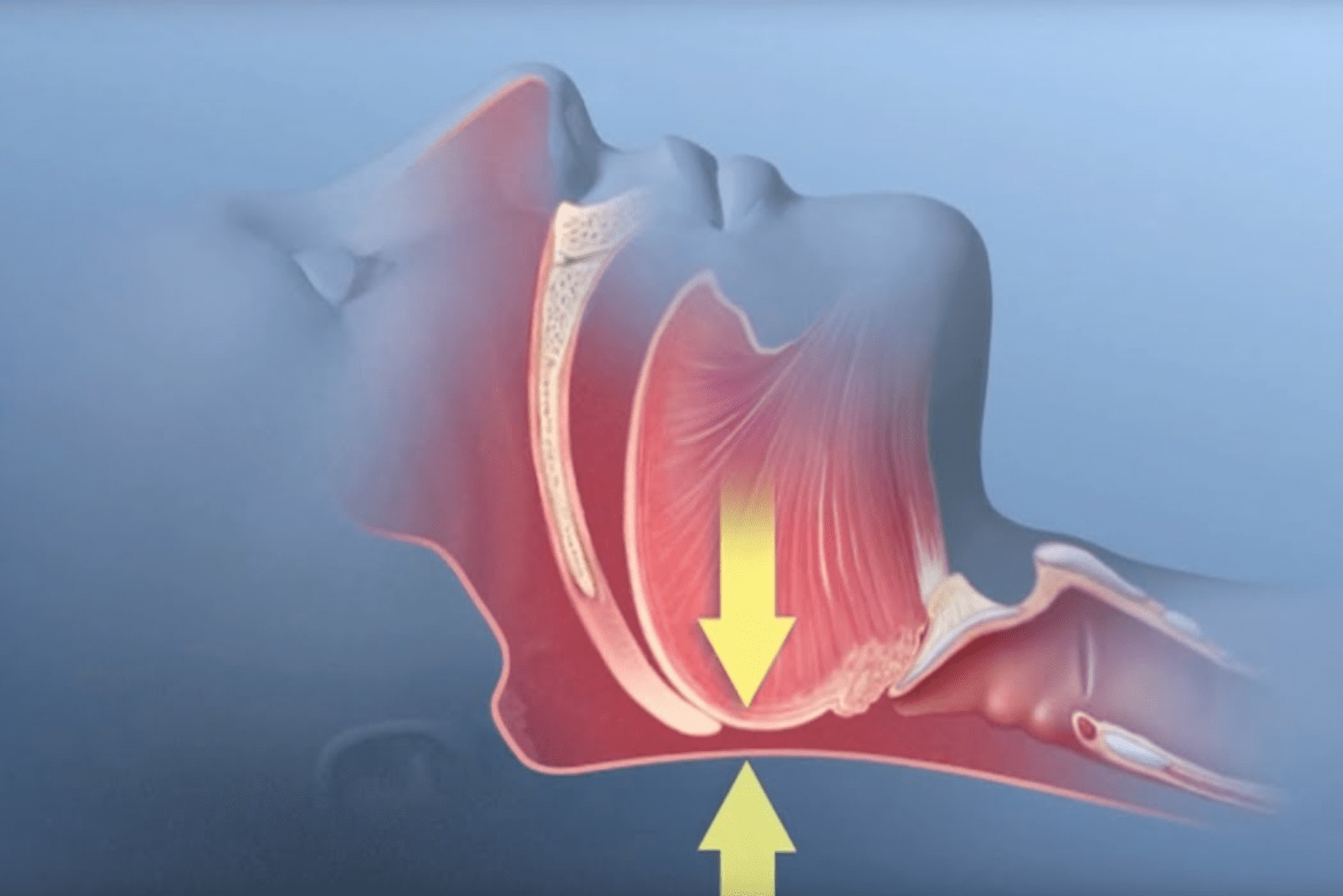
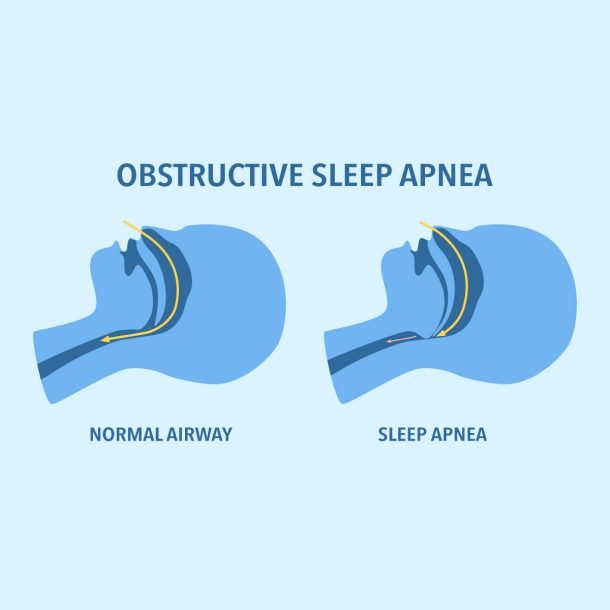
Obstructive Sleep Apnea Treatment in Bhopal happens when the upper airway becomes too narrow or closes during sleep. When we are awake, muscles around the throat help keep the airway open. During sleep, these muscles naturally relax. In some people, the airway becomes narrow enough that air cannot move normally. In others, it may close for a period of time.
The person may continue trying to breathe, but airflow is reduced or temporarily stopped. Oxygen levels can fall, and the brain may briefly arouse the person to reopen the airway. These awakenings are often so short that the person does not remember them the next morning. This cycle can happen repeatedly throughout the night.
As a result, someone may spend enough hours in bed but still wake up feeling unrefreshed. Over time, disrupted sleep can affect alertness, concentration, mood and daily functioning. A person does not need to know that these breathing interruptions are happening. Often, a partner or family member is the first person to notice loud snoring, pauses in breathing or gasping during sleep.
What Are the Common Symptoms of Sleep Apnea?
Sleep Apnea Symptoms can occur during the night as well as during the daytime. Some are noticed by the patient, while others may only be noticed by a sleeping partner.
Common symptoms include:
- Loud or persistent snoring
- Pauses in breathing during sleep
- Gasping or choking at night
- Restless sleep
- Frequent nighttime awakenings
- Dry mouth on waking
- Morning headaches
- Excessive daytime sleepiness
- Difficulty concentrating
- Irritability or mood changes
- Feeling tired despite getting enough time in bed
- Poor-quality or unrefreshing sleep
Some people may also wake up with a sensation of needing to take a deep breath. However, symptoms vary. A person can have sleep apnea without experiencing every symptom on this list. Similarly, several other conditions can cause tiredness, headaches or poor concentration. That is why Sleep Apnea Symptoms should be considered in the context of the person’s medical history and sleep pattern rather than used to make a diagnosis at home.
Is Loud Snoring Always Sleep Apnea?
No. Loud snoring does not automatically mean that someone has Obstructive Sleep Apnea Treatment in Bhopal. Snoring occurs when airflow through the upper airway causes tissues in the throat to vibrate. It can happen for several reasons, including nasal congestion, airway anatomy, sleeping position, alcohol use and other factors.
However, loud habitual snoring becomes more concerning when it occurs together with:
- Witnessed pauses in breathing
- Gasping or choking during sleep
- Excessive daytime sleepiness
- Morning headaches
- Poor concentration
- Frequent nighttime awakenings
In such situations, a medical assessment may be appropriate. A Sleep Apnea Diagnosis cannot be made simply by listening to someone’s snoring. Depending on the clinical situation, a doctor may recommend a sleep study to determine whether breathing is repeatedly interrupted during sleep.
What Causes Obstructive Sleep Apnea?
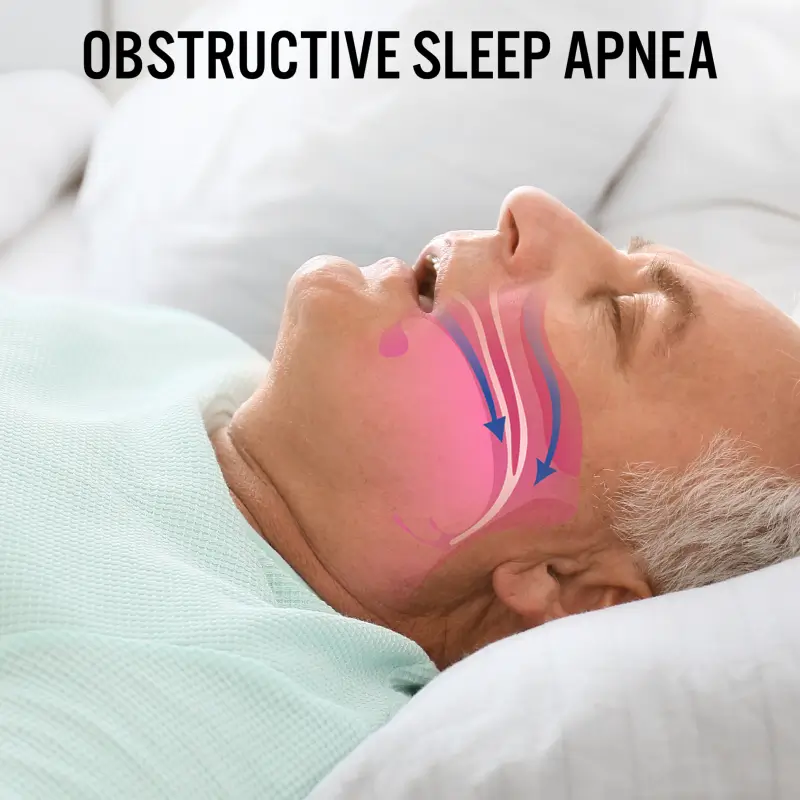
There is no single cause of Obstructive Sleep Apnea Treatment in Bhopal. The condition usually develops because the upper airway becomes too narrow or collapses during sleep. Several factors can contribute.
Relaxation of Throat Muscles
The muscles supporting the upper airway naturally relax during sleep. In some people, this relaxation causes the airway to narrow significantly.
Airway Anatomy
The size and shape of the jaw, tongue, throat and other structures can affect how easily the airway remains open during sleep.
Excess Body Weight
Extra tissue around the neck and upper airway can contribute to narrowing. Weight is an important factor for some patients, but it is not the only cause.
Nasal Obstruction
Blocked nasal passages can make breathing during sleep more difficult and may contribute to sleep-disordered breathing.
Age and Family Tendency
The risk of OSA can increase with age, and some people may have a family tendency toward the condition because of inherited anatomical or other factors.
Alcohol and Sedative Use
Alcohol and certain medicines can relax the muscles around the upper airway and may worsen breathing problems during sleep in some individuals.
WWhat Is Polysomnography?
Polysomnography, often called a PSG, is a detailed overnight sleep test. During a PSG, sensors are used to monitor different body functions while the person sleeps. These can include brain activity, eye movements, muscle activity, heart rate, breathing, airflow and oxygen levels.
The test can help doctors understand:
- Whether breathing interruptions are occurring
- How frequently they occur
- Whether oxygen levels change during sleep
- What type of sleep-related breathing problem may be present
- How sleep architecture is affected
A Polysomnography in Bhopal may be recommended when a detailed evaluation is clinically appropriate. The test is painless, although sleeping with monitoring equipment may feel unfamiliar at first. Patients are generally encouraged to follow the instructions provided by the sleep team so that useful information can be collected.
How Is Obstructive Sleep Apnea Treated?
The appropriate Obstructive Sleep Apnea Treatment in Bhopal depends on several factors, including the severity of OSA, symptoms, sleep study results, airway anatomy, body weight, other health conditions and personal needs.
Treatment options may include:
CPAP or PAP Therapy
Continuous positive airway pressure, commonly called CPAP, helps keep the upper airway open during sleep. It is a commonly used treatment for obstructive sleep apnea.
Oral Appliance Therapy
Some patients may be suitable for a specially designed oral appliance that helps maintain airway space during sleep. Suitability depends on the individual condition and professional assessment.
Weight Management
For people who are overweight or obese, weight management may improve OSA severity. It can be an important part of treatment, although it does not replace indicated therapy for everyone.
Positional Therapy
Some people have more breathing problems when sleeping on their back. Positional treatment may be useful in selected patients whose sleep apnea is strongly related to body position.
Management of Nasal Obstruction
Treating significant nasal obstruction may improve nasal breathing and can be part of an overall sleep apnea management plan.
Lifestyle Changes
Reducing alcohol close to bedtime, avoiding smoking, maintaining regular sleep habits and staying physically active can support better sleep and respiratory health.
Surgical Evaluation
In selected patients, anatomical factors may make surgical assessment appropriate. This depends on the cause and severity of airway obstruction.
The right Sleep Apnea Treatment in Bhopal should be individualized rather than selected solely on the basis of snoring or one symptom.
What Happens If Sleep Apnea Is Left Untreated?
Untreated Obstructive Sleep Apnea Treatment in Bhopal deserves medical attention because repeated breathing interruptions can affect sleep quality and daytime functioning.
Possible effects and health associations include:
- Excessive daytime sleepiness
- Difficulty concentrating
- Reduced quality of life
- Irritability and mood changes
- Increased risk of accidents related to sleepiness
- High blood pressure
- Cardiovascular health problems
- Metabolic health concerns
These risks are not identical for every patient, and having OSA does not mean a person will automatically develop a particular disease. The important issue is that repeated nighttime breathing disturbances can have effects beyond sleep itself. A proper Sleep Apnea Diagnosis allows patients and doctors to understand the severity of the condition and decide whether treatment is appropriate.
Frequently Asked Questions
Early Sleep Apnea Symptoms may include loud habitual snoring, witnessed pauses in breathing, gasping during sleep, morning headaches, dry mouth and daytime tiredness. Some people also notice poor concentration or unrefreshing sleep. Obstructive Sleep Apnea Treatment in Bhopal Symptoms vary, and snoring alone does not confirm OSA. If several symptoms occur together, a doctor may recommend a Sleep Study in Bhopal or another appropriate assessment.
Loud snoring can be a sign of obstructive sleep apnea, but not everyone who snores has OSA. Snoring becomes more concerning when it occurs with breathing pauses, choking or gasping during sleep, excessive daytime sleepiness or morning headaches. A proper Sleep Apnea Diagnosis requires clinical assessment and, when appropriate, sleep testing rather than relying on snoring alone.
No. CPAP is an important treatment for many people with obstructive sleep apnea, but it is not automatically required for every patient. Obstructive Sleep Apnea Treatment in Bhopal Treatment depends on the severity of OSA, symptoms, sleep study findings, airway anatomy and other factors. Some selected patients may benefit from oral appliances, positional treatment or other approaches. CPAP Treatment in Bhopal should be started and managed according to professional medical advice.
During a sleep study, sensors monitor body functions while you sleep. Depending on the type of test, monitoring may include breathing, airflow, oxygen levels, heart rate, snoring, movements and brain activity. A full polysomnography study provides detailed information about sleep stages and breathing. A Sleep Study in Bhopal can help determine whether repeated breathing interruptions are occurring and guide further treatment.
Weight loss can significantly improve obstructive sleep apnea in some people, particularly when excess weight contributes to airway narrowing. However, it does not guarantee that OSA will completely disappear. Some patients continue to have sleep apnea because of airway anatomy or other factors. If treatment has already been prescribed, patients should not stop it without medical reassessment. Follow-up Sleep Apnea Diagnosis may be needed to understand whether the condition has changed.
Some people experience major improvement when contributing factors are treated, but there is no universal permanent cure for every case. Weight management, positional treatment, oral appliances or selected procedures may substantially improve OSA in appropriate patients. CPAP controls airway obstruction while it is being used. The long-term approach depends on the cause and severity. Obstructive Sleep Apnea Treatment in Bhopal should therefore be individualized rather than based on promises of a guaranteed cure.
Untreated OSA can affect sleep quality, daytime alertness and concentration and is associated with an increased risk of several health problems, including high blood pressure and cardiovascular concerns. It can also increase accident risk when excessive sleepiness affects driving. The level of risk varies between patients. Proper evaluation and Sleep Apnea Treatment in Bhopal can help determine whether treatment is appropriate for an individual.