
- Home
- Pneumothorax
Pneumothorax Treatment in Bhopal
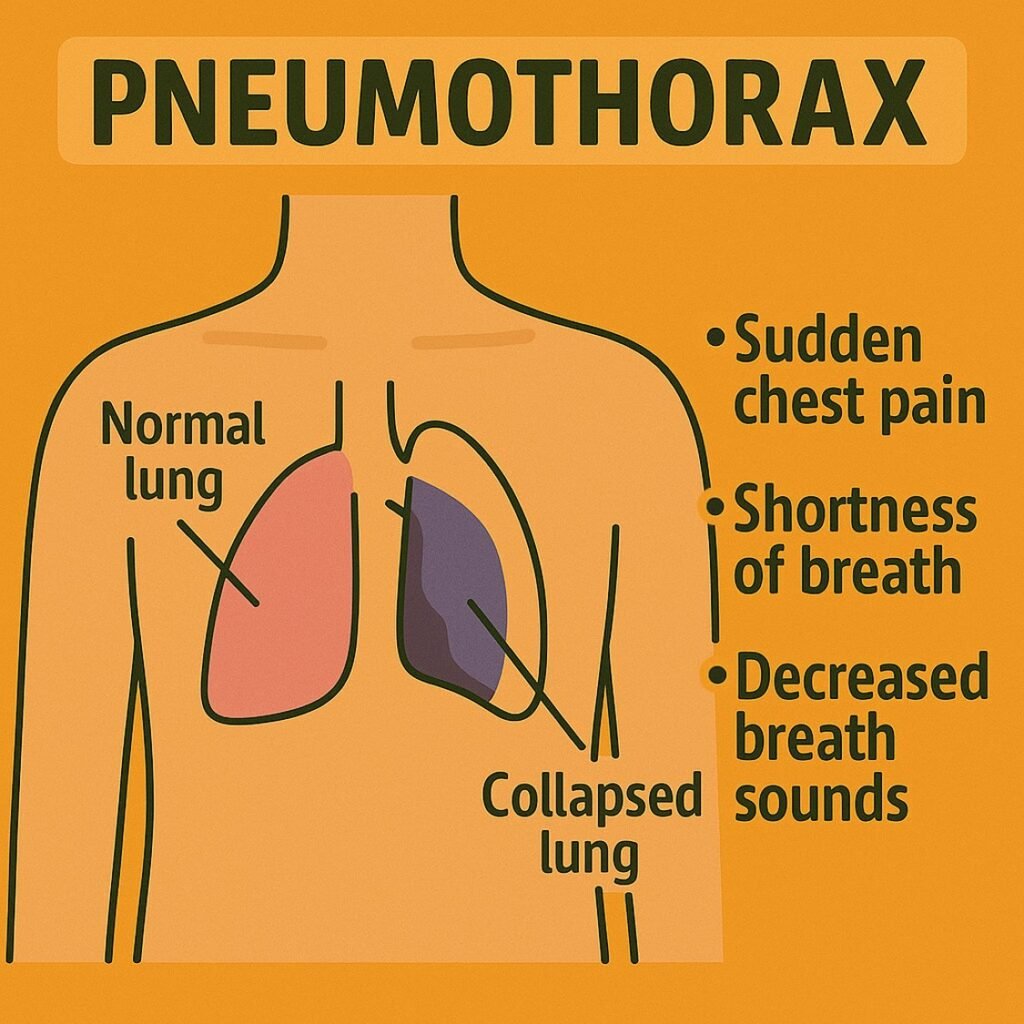
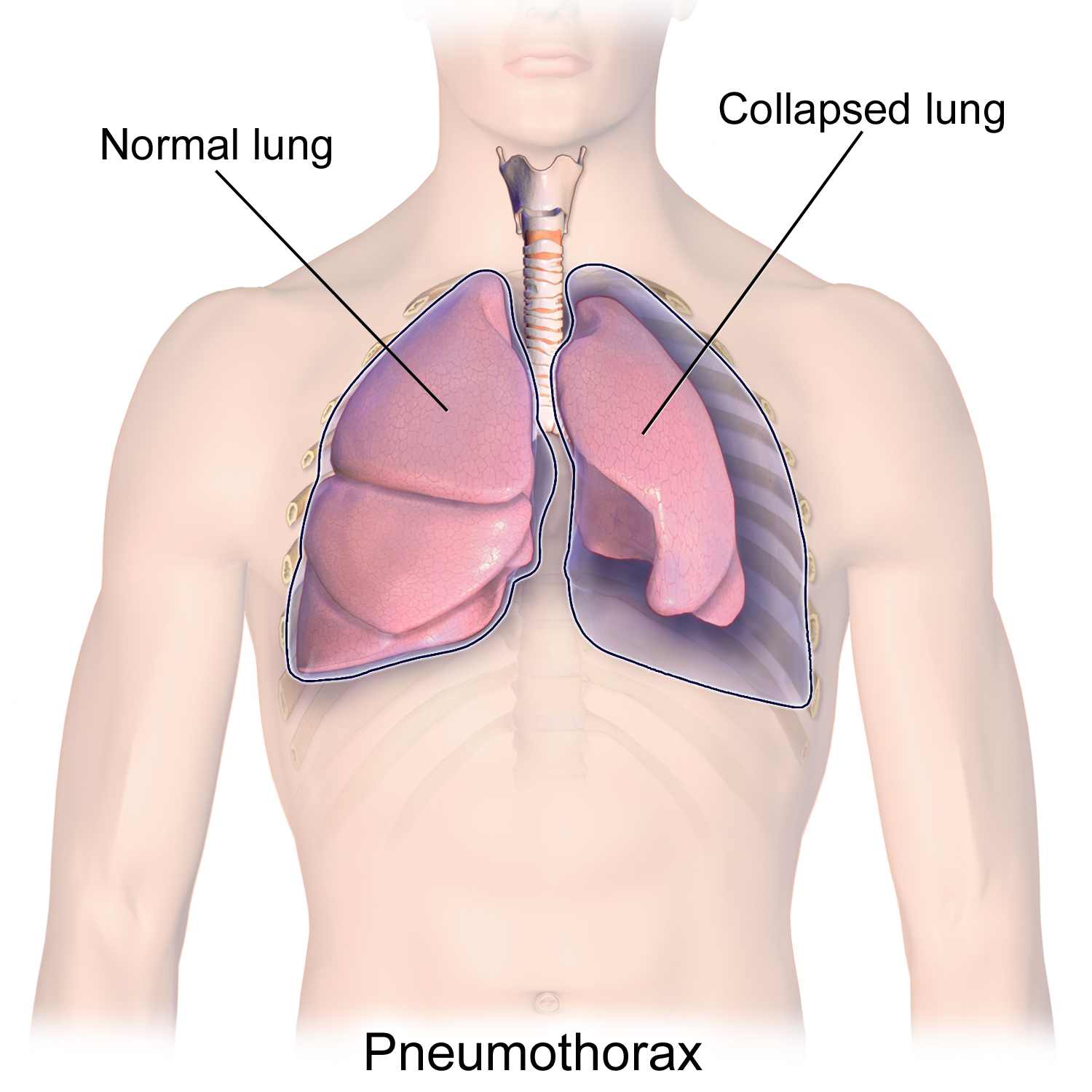
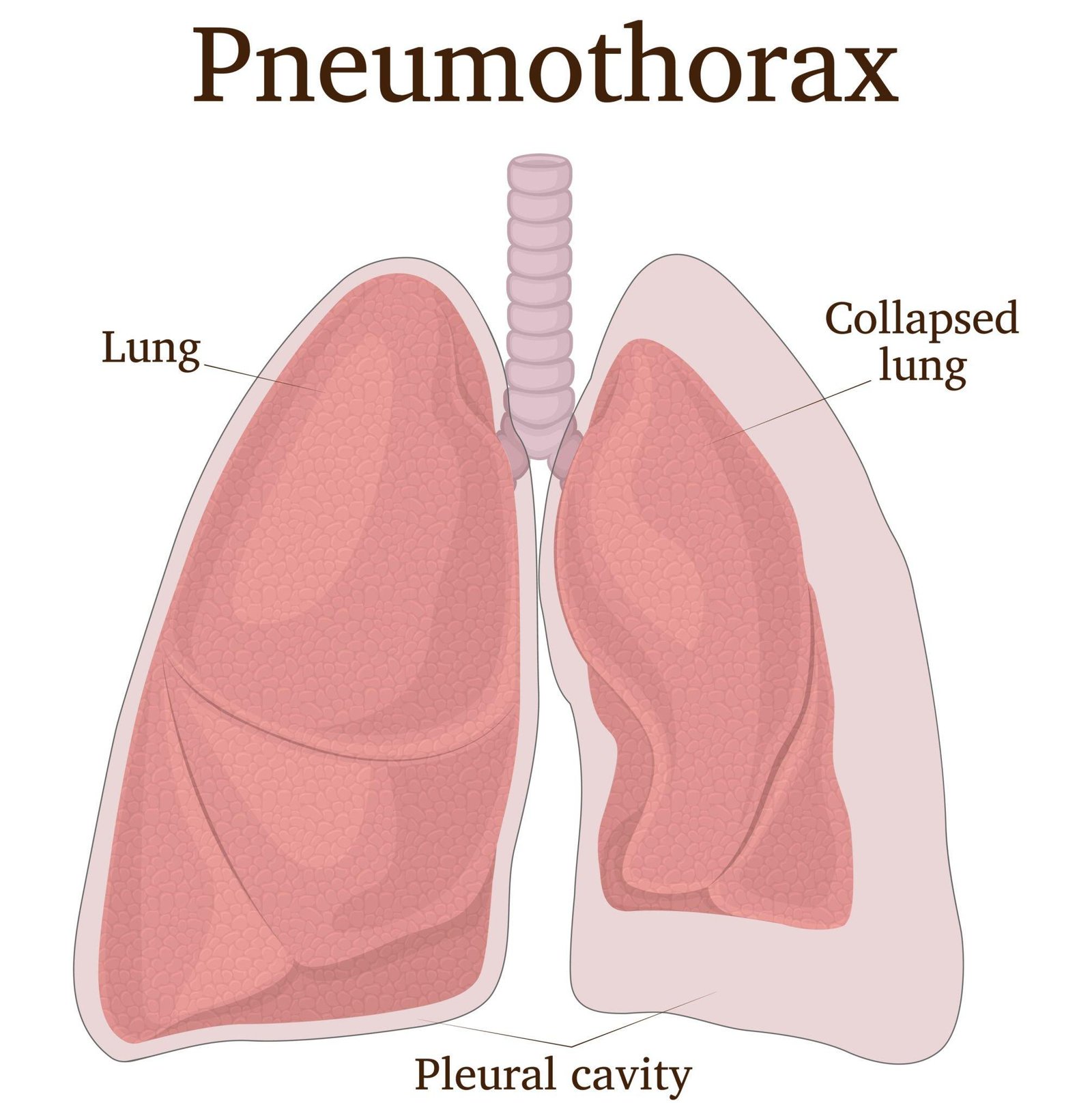
A pneumothorax occurs when air enters the pleural space, the thin area between the lung and the chest wall. This extra air can put pressure on the lung and cause it to partially or completely collapse. Patients often describe this as a collapsed lung. The symptoms can vary. Some people develop sudden chest pain and breathlessness, while others may have milder symptoms. The appropriate Pneumothorax Treatment in Bhopal depends on several factors, including the size of the pneumothorax, symptoms, underlying lung health and whether the condition has happened before.
Dr. Daksh Sharma is a Pulmonologist and Interventional Pulmonologist with an MD in Pulmonary Medicine, DM in Pulmonary Medicine & Critical Care and FCCS. His experience includes pulmonary medicine, critical care, complex respiratory conditions, bedside thoracic ultrasonography and pleural procedures. For patients in Bhopal, evaluation by a pulmonologist can help determine the cause and appropriate management of a pneumothorax.
What Is Pneumothorax Treatment in Bhopal?
A pneumothorax means that air has collected in the pleural space. Normally, the lungs sit inside the chest with a very small space between the lung surface and the chest wall. This space contains a thin layer of fluid that allows the lung to move smoothly during breathing. When air enters this space, pressure can develop around the lung. As a result, part or all of the lung may lose its ability to expand normally. That is why the term collapsed lung is commonly used.
A pneumothorax can be small and stable, or it can be larger and cause significant breathing difficulty. In some situations, particularly with a tension pneumothorax, pressure can build rapidly inside the chest and become life-threatening. Because the causes and severity vary, Pneumothorax Diagnosis should be based on medical assessment rather than symptoms alone.
Types of Pneumothorax
Pneumothorax is not one single condition. Doctors generally classify it according to how it develops.
Primary Spontaneous Pneumothorax
This occurs without an obvious injury or known underlying lung disease. It may happen when a small weak area or air-filled structure on the lung ruptures.
Secondary Spontaneous Pneumothorax
This develops in a person who already has an underlying lung condition. COPD, tuberculosis-related lung damage and certain structural lung disorders can increase the risk.
Traumatic Pneumothorax
A chest injury, such as a significant blow, accident or penetrating injury, can allow air to enter the pleural space.
Iatrogenic Pneumothorax
Sometimes a pneumothorax can occur as a complication of a medical procedure involving the chest or nearby structures. Mechanical ventilation can also be associated with pneumothorax in selected circumstances.
Tension Pneumothorax
A tension pneumothorax occurs when air enters the pleural space and pressure continues to build. It can interfere with breathing and circulation and is a medical emergency requiring immediate treatment.
What Causes Pneumothorax Treatment in Bhopal?
There are several possible Pneumothorax Causes, and not every patient has the same underlying reason. A spontaneous pneumothorax can occur when a small weak area of the lung ruptures. Smoking is an important risk factor for spontaneous pneumothorax, while underlying lung disease can make the lungs more vulnerable.
Other possible causes include:
- Smoking
- COPD and other chronic lung diseases
- Previous tuberculosis-related lung damage
- Certain structural abnormalities of the lung
- Chest trauma
- Some medical procedures
- Mechanical ventilation in selected patients
A pneumothorax can therefore occur even when there has been no obvious chest injury. Finding the likely Pneumothorax Causes is useful because treatment may involve not only dealing with the trapped air but also addressing the underlying lung condition.
What Are the Symptoms of Pneumothorax?
The Pneumothorax Symptoms can appear suddenly, particularly when a spontaneous pneumothorax develops.
Common symptoms include:
- Sudden chest pain
- Sudden shortness of breath
- Rapid breathing
- Rapid heart rate
- Chest tightness
- Dry cough in some patients
- A feeling that breathing is difficult
- Anxiety related to sudden breathing discomfort
Chest pain is often felt on the side of the affected lung, although the exact sensation can vary. The severity of Collapsed Lung Symptoms depends on the size of the pneumothorax and the person’s overall health. Someone with healthy lungs may tolerate a small pneumothorax differently from someone who already has COPD or another chronic lung condition. Not everyone will experience every symptom. Sudden chest pain or breathlessness should not be self-diagnosed as pneumothorax because several other conditions can cause similar symptoms.
Is Pneumothorax Treatment in Bhopal Dangerous?
A pneumothorax can range from a small condition that is monitored under medical supervision to a serious problem requiring urgent intervention. Some small and stable pneumothoraces may be managed with observation and follow-up. On the other hand, larger pneumothoraces or those causing significant symptoms may require removal of air from the pleural space.
People with underlying lung disease may have more difficulty tolerating a pneumothorax because their lung function may already be reduced. The most serious form is tension pneumothorax. In this situation, increasing pressure inside the chest can affect both breathing and circulation.
Therefore, Pneumothorax Treatment Options are selected according to the clinical situation rather than simply the presence of air around the lung. If someone develops sudden unexplained chest pain and significant breathlessness, urgent medical assessment is appropriate.
When Is Pneumothorax Treatment in Bhopal an Emergency?
Some symptoms require immediate medical attention.
Seek urgent emergency care if there is:
- Severe or rapidly worsening breathlessness
- Severe chest pain
- Very rapid breathing
- Bluish lips or face
- Fainting or severe dizziness
- Confusion
- Rapid deterioration in breathing or overall condition
A suspected tension pneumothorax requires immediate emergency treatment. It is not a condition that should be monitored at home while waiting for a routine appointment. The important point is not to panic over every episode of chest discomfort. However, severe or rapidly worsening chest symptoms should never be ignored.
How Is Pneumothorax Treatment in Bhopal Treated?
The appropriate Pneumothorax Treatment in Bhopal depends on:
- Size of the pneumothorax
- Severity of symptoms
- Oxygen level and overall condition
- Cause of the pneumothorax
- Presence of underlying lung disease
- Whether it is a first episode or recurrence
- Whether there is a persistent air leak
Possible approaches include observation, aspiration, chest tube drainage and specialist or surgical management in selected cases.
Observation
A small, stable pneumothorax may sometimes be monitored under medical supervision. Follow-up assessment and imaging may be recommended to make sure the lung is recovering. Observation does not mean ignoring the condition. It means the patient is being managed according to a medical plan.
Needle Aspiration
In selected cases, a doctor may use aspiration to remove air from the pleural space. Whether this is appropriate depends on the clinical situation and local treatment protocols.
Chest Tube Drainage
A chest tube may be used when air needs to be continuously removed from the pleural space. This can help the affected lung expand again.
Specialist or Surgical Treatment
Recurrent Pneumothorax Treatment in Bhopal, persistent air leakage or certain structural lung problems may require further specialist management.
There is no single Collapsed Lung Treatment that is right for every patient. The safest approach depends on the individual clinical picture.
Does Every Pneumothorax Need a Chest Tube?
No. Not every pneumothorax automatically requires a chest tube. A small and stable pneumothorax may sometimes be managed with observation under appropriate medical supervision. However, a larger pneumothorax, significant symptoms, an ongoing air leak or other complications may make drainage necessary.
The decision is based on clinical assessment and imaging rather than on the word “pneumothorax” alone. Patients should also avoid assuming that a small pneumothorax is harmless. The significance can be different in someone with an underlying lung condition. If you are searching for Pneumothorax Treatment in Bhopal, a pulmonologist can assess the imaging and clinical findings to determine which management approach is appropriate.
Frequently Asked Questions
Pneumothorax means that air has entered the pleural space around the lung. This can place pressure on the lung and cause partial or complete collapse, which is why it is commonly called a collapsed lung. Symptoms can include sudden chest pain and breathlessness. The seriousness depends on the size of the pneumothorax, symptoms and the person's underlying lung health. Pneumothorax Treatment in Bhopal is planned based on proper evaluation and diagnosis.
A collapsed lung can result from a spontaneous rupture of a weak area in the lung, chest injury, an underlying lung disease or certain medical procedures. Smoking can increase the risk of spontaneous pneumothorax. COPD and previous tuberculosis-related lung damage can also be relevant in some patients. Pneumothorax Treatment in Bhopal Causes vary, so identifying the reason for an episode is an important part of evaluation. A Pneumothorax Doctor in Bhopal can help determine the exact cause and guide treatment.
Common Pneumothorax Symptoms include sudden chest pain and shortness of breath. Some people may also experience rapid breathing, a fast heart rate, chest tightness or a dry cough. Symptoms can vary according to the size of the pneumothorax and the person's existing lung function. Sudden significant chest pain or breathing difficulty requires prompt medical assessment rather than self-diagnosis. Early evaluation helps decide the right Collapsed Lung Treatment.
Pneumothorax Treatment in Bhopal can be mild or serious depending on the circumstances. Some small, stable cases can be monitored under medical supervision, while larger or symptomatic cases may require drainage. A tension pneumothorax is particularly dangerous because pressure can rapidly build inside the chest. Severe or rapidly worsening breathlessness, chest pain, fainting or bluish lips require emergency medical attention. Proper Pneumothorax Treatment Options reduce complications and improve recovery.
No. Some small and stable pneumothoraces may be managed with observation under appropriate medical supervision. However, larger pneumothoraces, significant symptoms, persistent air leakage or other complications may require chest tube drainage. The decision depends on clinical findings and imaging. A Pneumothorax Specialist in Bhopal can assess the individual situation and determine which Pneumothorax Treatment Options are appropriate for safe recovery.
Some small, stable pneumothoraces may resolve with observation and appropriate medical follow-up. This does not mean the condition should simply be ignored. The patient may need monitoring and follow-up imaging to confirm that the lung is recovering. Whether observation is suitable depends on symptoms, pneumothorax size, oxygen levels and underlying lung health. A Collapsed Lung Treatment plan is always individualized by a specialist.
Yes, pneumothorax can recur. The risk may be influenced by a previous episode, smoking, underlying lung disease or structural abnormalities. Repeated episodes may require a different long-term strategy. In selected patients, Recurrent Pneumothorax Treatment in Bhopal can include specialist procedures aimed at reducing the likelihood of another episode. A Pneumothorax Specialist in Bhopal can guide prevention and long-term care planning.
Smoking can increase the risk of spontaneous pneumothorax and can contribute to ongoing lung damage. Quitting smoking after an episode is an important step for protecting respiratory health. It does not guarantee that pneumothorax will never recur, but stopping tobacco exposure removes an important ongoing risk. Patients who find quitting difficult can discuss smoking-cessation support with a healthcare professional. Smoking is a key factor in Pneumothorax Causes and prevention.
Yes. COPD is one of the underlying lung conditions that can be associated with secondary spontaneous pneumothorax. People with COPD may already have reduced lung function, so a pneumothorax can cause more noticeable breathing difficulty. If a person with COPD develops sudden chest pain or a sudden change in breathlessness, medical evaluation is important rather than assuming the symptoms are simply a routine COPD flare-up. In such cases, Pneumothorax Treatment in Bhopal may be required urgently.
Sudden chest pain combined with significant breathing difficulty requires urgent medical assessment. These symptoms can occur with pneumothorax, but they may also indicate other serious conditions. If symptoms are severe, rapidly worsening, or accompanied by fainting, confusion or bluish lips, seek emergency medical care immediately. Do not wait for a routine Pneumothorax Treatment in Bhopal appointment when emergency symptoms are present. Early intervention is critical for safe Collapsed Lung Treatment.