
- Home
- Tuberculosis
Tuberculosis Treatment in Bhopal is an infectious disease caused by a bacterium called Mycobacterium tuberculosis. It most commonly affects the lungs, where it is known as pulmonary tuberculosis, but it can also affect other parts of the body. Because TB can develop gradually, some people may overlook their symptoms until they become more noticeable. Persistent cough, fever, night sweats, unexplained weight loss, tiredness or blood in the sputum should not be ignored, particularly when symptoms continue for several weeks. Proper testing is needed because these symptoms can also occur with other lung conditions.
For someone looking for Tuberculosis Treatment in Bhopal, the first step is an accurate assessment rather than starting medicines based only on symptoms. Dr. Daksh Sharma is a Pulmonologist and Interventional Pulmonologist with MD in Pulmonary Medicine, DM in Pulmonary Medicine & Critical Care and FCCS. His experience includes pulmonary medicine, critical care and complex respiratory conditions. His MD thesis also focused on the use of CBNAAT in diagnosing spinal tuberculosis, along with comparison with culture and histopathology.
What Is Tuberculosis?
Tuberculosis Treatment in Bhopal is an infection caused by Mycobacterium tuberculosis. The bacteria most often enter the body through the air and may settle in the lungs. However, TB can affect organs outside the lungs as well. There is an important difference between TB infection and active TB disease. In TB infection, the body’s immune system controls the bacteria, and the person may have no symptoms. In active TB disease, the bacteria are multiplying and causing illness. Active pulmonary TB can produce symptoms such as prolonged cough, fever, weight loss and night sweats.
Pulmonary TB is the form that affects the lungs. Extrapulmonary TB refers to tuberculosis affecting areas such as lymph nodes, bones, joints, the kidneys, the brain or other organs. Because TB can appear in different forms, Tuberculosis Diagnosis is based on the patient’s symptoms, medical history, examination and appropriate investigations.
What Causes Tuberculosis and How Does TB Spread?
Tuberculosis is caused by Mycobacterium tuberculosis. Unlike infections that commonly spread through contaminated food or casual physical contact, pulmonary TB can spread through the air when a person with infectious TB of the lungs or airways coughs, sneezes or speaks. Tiny particles containing the bacteria can remain suspended in the air, particularly in enclosed or poorly ventilated spaces.
The risk of transmission can be influenced by factors such as:
- Prolonged close contact
- Poor ventilation
- Crowded indoor environments
- The infectiousness of the person with active TB
- Whether effective treatment has been started
TB does not normally spread simply because someone touches another person’s hand, shares a casual handshake or sits briefly near someone. People diagnosed with infectious TB should follow the advice of their treating medical and public health teams. Appropriate treatment, ventilation and contact evaluation can all play a role in reducing transmission. Tuberculosis Treatment in Bhopal
Common Symptoms of Tuberculosis
The symptoms of pulmonary tuberculosis can develop gradually. Some people may initially notice only tiredness or a mild cough.
Common Tuberculosis Treatment in Bhopal Symptoms include:
- Persistent cough
- Cough with sputum
- Cough lasting for several weeks
- Coughing up blood
- Fever
- Night sweats
- Unexplained weight loss
- Reduced appetite
- Fatigue
- Chest discomfort
Not everyone with TB will have every symptom. Similarly, having one or more of these symptoms does not automatically mean a person has tuberculosis. Other infections, asthma, COPD, lung cancer and several other conditions can cause similar complaints. Still, persistent or unusual respiratory symptoms deserve proper evaluation. A doctor may recommend TB Tests or other investigations based on the clinical picture.
When Should You Suspect Tuberculosis Treatment in Bhopal?
TB may be considered when respiratory symptoms continue without a clear explanation, particularly when several symptoms occur together.
A medical evaluation becomes particularly important when there is:
- A prolonged or persistent cough
- Unexplained weight loss
- Persistent or recurring fever
- Night sweats
- Blood in the sputum
- Ongoing fatigue
- Repeated respiratory complaints
- Close contact with someone diagnosed with active TB
A previous history of TB or certain medical conditions may also influence the assessment.
It is worth remembering that a prolonged cough is not automatically tuberculosis. The purpose of Tuberculosis Diagnosis is to find the actual cause of the symptoms rather than assuming TB from the duration of a cough alone. If you are searching for a TB Doctor in Bhopal because of persistent respiratory symptoms, seeking evaluation early can help determine whether Tuberculosis Treatment in Bhopal testing is appropriate.
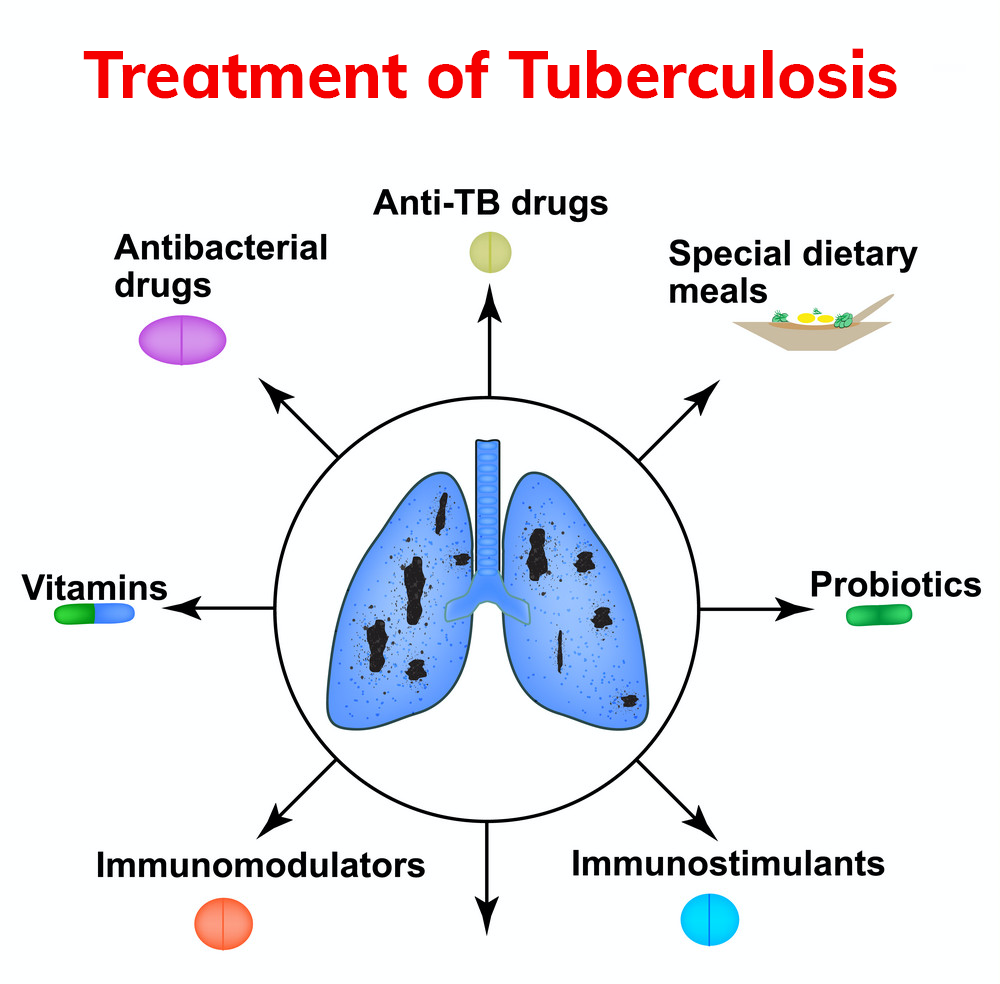
How Is Tuberculosis Treatment in Bhopal Diagnosed?
There is no single investigation that is appropriate for every person with suspected TB. The diagnostic approach depends on symptoms, the suspected site of infection and the patient’s overall clinical condition.
A doctor may consider:
Medical History and Examination
The consultation usually begins with questions about symptoms, duration, previous TB, exposure to someone with active TB, medical conditions and other relevant risk factors. A physical examination can provide additional information.
Chest X-Ray
A chest X-ray may help identify abnormalities in the lungs that require further assessment. However, an abnormal X-ray does not by itself prove tuberculosis.
Sputum Examination
For suspected pulmonary TB, sputum can be examined for evidence of Mycobacterium tuberculosis. The type of laboratory testing depends on the clinical situation.
Molecular Testing
Rapid molecular tests such as NAAT or CBNAAT can help detect TB and, depending on the specific test used, provide information about resistance to certain anti-TB medicines.
Culture
Mycobacterial culture can provide important diagnostic information and may also help with drug-susceptibility assessment. Culture generally takes longer than rapid molecular testing.
Drug-Susceptibility Testing
When TB is confirmed or drug resistance is suspected, testing may be needed to determine which medicines are likely to be effective. Additional imaging, sampling or procedures may be considered in selected patients, particularly when the suspected TB is outside the lungs or the diagnosis remains uncertain.
Not every patient needs every test. TB Diagnosis in Bhopal should be based on the individual clinical situation.
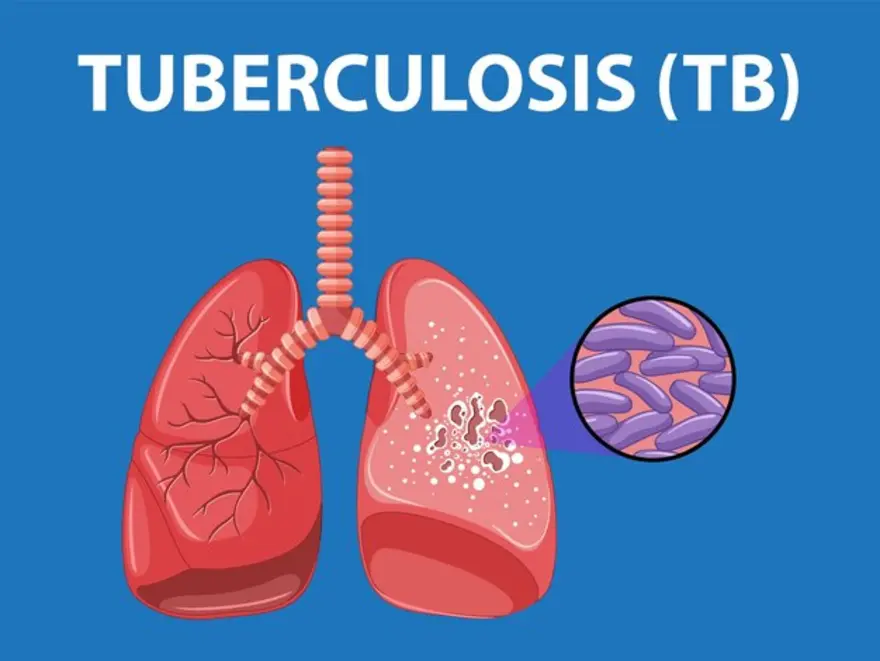
What Is CBNAAT and How Is It Used for TB?
CBNAAT stands for Cartridge-Based Nucleic Acid Amplification Test. It is a rapid molecular test that can detect genetic material associated with Mycobacterium tuberculosis in an appropriate clinical sample. Depending on the test platform and sample, it can also provide information about resistance to a particular anti-TB medicine, such as rifampicin. CBNAAT can be particularly useful when rapid information is needed. However, it is not a replacement for clinical assessment in every situation. The appropriate sample, additional testing and interpretation depend on the suspected form of Tuberculosis Treatment in Bhopal.
Dr. Daksh Sharma’s MD thesis examined the role of CBNAAT in diagnosing spinal tuberculosis and compared its findings with MTB culture and histopathology. This academic work is directly relevant to his background in tuberculosis-related diagnostic evaluation.
Can TB Spread to Other People?
Active pulmonary TB can be infectious because bacteria may be released into the air through coughing, sneezing or speaking. The risk is particularly relevant with prolonged close exposure in enclosed or poorly ventilated environments. Once effective treatment begins, infectiousness can change, but the timing varies. Patients should therefore follow the instructions provided by their treating clinician and public health team rather than deciding independently when it is safe to resume all activities.
Depending on the situation, household or close contacts may be advised to undergo evaluation.
TB should be approached without stigma. A person with tuberculosis needs appropriate medical treatment and support, not blame or social isolation.
If you suspect you have been exposed to active Tuberculosis Treatment in Bhopal speak with a healthcare professional about whether TB Tests in Bhopal or contact evaluation may be appropriate.
Tuberculosis Prevention Tips
Preventing TB involves both reducing transmission and identifying infection or disease early.
Helpful measures may include:
Early Medical Evaluation
Persistent cough, unexplained weight loss, fever, night sweats or blood in sputum should be evaluated rather than ignored.
Complete Treatment
People diagnosed with TB should follow the prescribed treatment and monitoring plan. Effective treatment is an important part of reducing ongoing transmission.
Good Ventilation
Fresh airflow and well-ventilated indoor spaces can reduce the concentration of airborne infectious particles.
Cough Etiquette
Covering the mouth and nose while coughing or sneezing and disposing of tissues appropriately are useful respiratory hygiene practices.
Contact Evaluation
People who have been closely exposed to someone with infectious TB may be advised to undergo evaluation, depending on their circumstances.
Preventive Treatment When Appropriate
Some people with TB infection may be eligible for preventive treatment to reduce the risk of developing active TB. This decision should be made by a healthcare professional after appropriate assessment.
These measures reduce risk but cannot guarantee that tuberculosis will never occur.

When Should You See a Pulmonologist for TB?
You should consider medical evaluation if you have symptoms that could be consistent with TB, particularly when they persist or are accompanied by other concerning features.
A pulmonology consultation may be appropriate for:
- Persistent cough
- Blood in sputum
- Unexplained weight loss
- Night sweats
- Persistent fever
- Abnormal chest X-ray
- Close contact with someone who has active TB
- Previous history of tuberculosis
- Symptoms that continue despite treatment
- Concern about drug-resistant TB
If you are searching for a Pulmonologist for TB in Bhopal, bring previous reports, X-rays, laboratory results and details of any previous TB treatment to the consultation when available. A proper assessment can help determine which TB Tests or additional investigations are appropriate.
Frequently Asked Questions
Early TB Symptoms can be mild and may develop gradually. A persistent cough, tiredness, low-grade fever, reduced appetite, night sweats or unexplained weight loss may occur. Some people may later develop sputum production or cough up blood. These symptoms can also occur with other conditions, so they do not confirm TB. Persistent or unusual symptoms should be evaluated by a qualified healthcare professional.
Tuberculosis Diagnosis may involve a medical history, physical examination, chest imaging and examination of appropriate clinical samples. Sputum testing, rapid molecular tests such as CBNAAT, culture and drug-susceptibility testing may be used depending on the situation. Not every patient requires every test. The investigation plan depends on whether pulmonary or extrapulmonary TB is suspected and what the initial findings show.
Tuberculosis is treatable, and many people recover when the correct diagnosis is made and the recommended treatment is completed. However, treatment varies according to the type of TB, site of infection and drug-susceptibility results. Drug-resistant TB can require a more complex approach. There is no responsible way to promise a guaranteed cure without considering the individual's diagnosis and clinical circumstances.
The duration of TB Treatment in Bhopal or elsewhere depends on the type of tuberculosis and the patient's clinical situation. Many drug-susceptible forms of pulmonary TB require several months of treatment, while drug-resistant or certain extrapulmonary forms may require different approaches. Your treating doctor determines the duration based on current medical guidance, test results and treatment response. Do not stop treatment because you feel better.
Active pulmonary TB can spread through the air, particularly during prolonged close contact in poorly ventilated spaces. Household members and other close contacts may therefore need evaluation depending on the circumstances. Effective treatment can reduce infectiousness, but patients should follow advice from their treating clinician and public health team about precautions and contact evaluation. TB should be handled with medical support rather than stigma or blame.
CBNAAT is a rapid molecular test that can detect genetic material associated with Mycobacterium tuberculosis in an appropriate sample. Depending on the test, it can also provide information about resistance to certain anti-TB medicines. It can be an important part of Tuberculosis Treatment in Bhopal Diagnosis, but it does not replace clinical assessment in every case. Additional testing may still be needed depending on the suspected disease and initial results.
Stopping TB Treatment early or taking medicines inconsistently can increase the risk of treatment failure, relapse or drug resistance. It may also allow infection to remain active in some situations. If side effects, cost, travel or another difficulty makes treatment hard to continue, speak with your healthcare team rather than stopping medicines independently. The goal is to address the problem safely while maintaining effective treatment.
Drug-resistant TB occurs when the tuberculosis bacteria are resistant to one or more medicines used to treat TB. It can make treatment more complicated and may require specific testing and a different treatment approach. Drug-susceptibility testing helps doctors understand which medicines are likely to work. Patients should never change or discontinue TB medicines without medical guidance, particularly when resistance is suspected.
Consider seeing a TB Doctor in Bhopal if you have a persistent cough, unexplained weight loss, night sweats, prolonged fever, blood in sputum, an abnormal chest X-ray or close exposure to someone with active TB. A previous history of TB or symptoms that continue despite treatment also deserve evaluation. A pulmonologist can determine whether TB testing or another respiratory investigation is appropriate.
Yes. Tuberculosis Treatment in Bhopal is not identical for every patient. The appropriate approach depends on whether the disease is pulmonary or extrapulmonary, whether the bacteria are drug-susceptible or resistant, previous treatment history, other medical conditions and treatment response. For that reason, TB medicines should be prescribed and monitored by a qualified healthcare professional rather than selected without medical supervision.