
- Home
- COPD
COPD Treatment in Bhopal
COPD Treatment in Bhopal for Better Breathing and Long-Term Lung Care
Chronic Obstructive Pulmonary Disease, commonly called COPD, is a long-term lung condition that can make breathing increasingly difficult. It may cause persistent coughing, mucus production, wheezing, breathlessness and reduced ability to perform physical activities. Symptoms can develop gradually, so some people do not realize that their breathing has changed until everyday activities become harder.
COPD Treatment in Bhopal is not limited to people who currently smoke. Long-term exposure to tobacco smoke, air pollution, biomass smoke, dust, chemical fumes and certain workplace irritants can also contribute to lung damage. Early evaluation is useful because persistent breathing symptoms can have several causes, and the right diagnosis is important for appropriate management.
If you are looking for COPD Treatment in Bhopal, consultation with a pulmonologist can help evaluate your symptoms, lung function and exposure history. Dr. Daksh Sharma, MD, DM (Pulmonary Medicine & Critical Care), FCCS, is a pulmonologist and interventional pulmonologist with experience in pulmonary medicine, critical care and complex respiratory conditions. His professional interests include chest disorders and respiratory care.
What Is COPD?
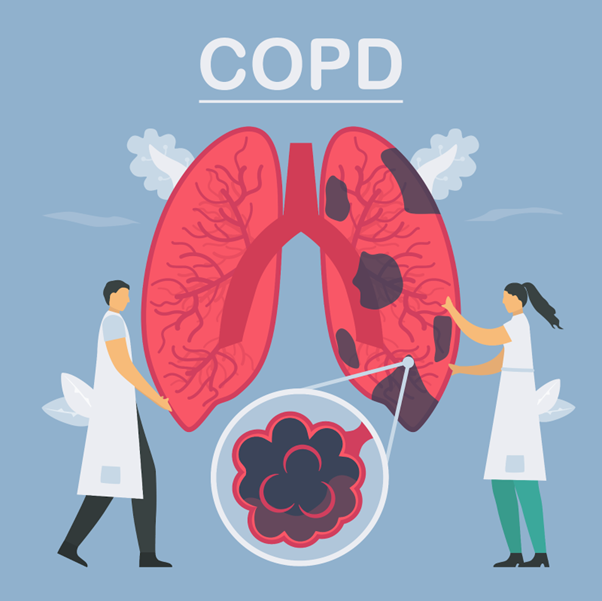
COPD stands for Chronic Obstructive Pulmonary Disease. It describes a group of long-term lung conditions in which airflow through the airways becomes persistently limited. Two conditions commonly associated with COPD Treatment in Bhopal are chronic bronchitis and emphysema. Chronic bronchitis involves long-term inflammation of the airways and a persistent cough with mucus production. Emphysema involves damage to the tiny air sacs in the lungs, reducing the efficiency of airflow and gas exchange.
COPD Treatment in Bhopal develops differently from person to person. Some people mainly experience chronic cough and mucus, while others notice breathlessness during walking, climbing stairs or other activities. Unlike a short-term chest infection, COPD is a chronic respiratory condition. However, appropriate medical care can help manage symptoms, maintain physical function and address factors that may contribute to worsening lung health. A COPD Specialist in Bhopal can assess whether persistent breathing problems are related to COPD or another respiratory condition.
Common COPD Symptoms You Should Not Ignore
COPD symptoms often develop gradually. Because of this, people may become accustomed to reduced exercise capacity and consider it a normal part of getting older.
Common COPD symptoms include:
- Persistent or recurrent cough
- Production of mucus or phlegm
- Shortness of breath
- Wheezing
- Chest tightness
- Reduced ability to exercise
- Breathlessness during routine activities
- Fatigue or reduced energy
- Frequent respiratory infections
- Symptoms that become worse during a COPD flare-up
Breathlessness may initially occur only with strenuous activity. Later, some people may notice it during routine activities such as walking, bathing or climbing stairs. A persistent cough should also not be dismissed simply as a smoker’s cough or an age-related problem. Repeated respiratory symptoms deserve proper evaluation. If you have ongoing breathing difficulty, a COPD Doctor in Bhopal can review your symptoms and determine whether lung function testing or other investigations are appropriate.
What Causes Chronic Obstructive Pulmonary Disease?
COPD can develop after long-term exposure to substances that irritate or damage the lungs. Smoking is an important risk factor, but it is not the only one.
Possible contributors include:
Cigarette Smoking
Long-term exposure to cigarette smoke can damage the airways and lung tissue. The risk generally increases with greater and longer exposure.
Second-Hand Smoke
Regular exposure to tobacco smoke from other people can also affect respiratory health.
Air Pollution
Long-term exposure to polluted air may contribute to chronic airway irritation and respiratory problems. This can be relevant for people living or working in areas with significant pollution.
Dust and Chemical Fumes
Certain workplaces expose people to dust, chemical fumes, industrial particles or other respiratory irritants. Long-term exposure can contribute to lung disease.
Biomass Smoke
Indoor smoke from biomass fuels used for cooking or heating can expose people to respiratory irritants over many years. This is particularly relevant in households where ventilation is limited.
Occupational Exposure
Mining, construction, manufacturing, agriculture and other occupations may involve exposure to dust, fumes or chemicals. The specific risk depends on the type and duration of exposure.
COPD and Smoking: Why Quitting Still Matters
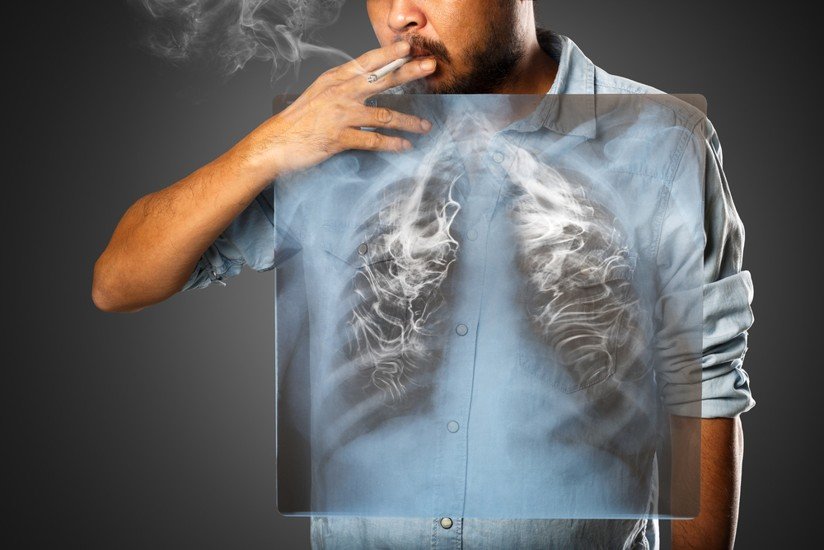
Smoking is strongly associated with COPD Treatment in Bhopal, but discussing smoking should never be about blame. If you smoke and have developed breathing symptoms, stopping smoking can still be valuable. The lungs may already have sustained damage, but removing an ongoing source of irritation can help reduce further exposure and support better respiratory health.
People who have smoked for many years sometimes believe that quitting is no longer useful. That is not the case. Stopping smoking remains an important part of managing COPD at any stage. If you are struggling to stop, discuss it with a healthcare professional. Smoking cessation support can be individualized according to your circumstances.
A COPD Specialist in Bhopal can also assess your respiratory symptoms and help place your smoking history in the context of your overall lung health.
COPD Treatment in Bhopal: What Does Management Include?
There is no single treatment plan that is suitable for every person with COPD. Management depends on the severity of symptoms, lung function, smoking and exposure history, previous flare-ups and other health conditions. The goals of COPD Treatment in Bhopal are generally to control symptoms, support daily activity, reduce the risk of worsening and maintain respiratory health as effectively as possible.
Inhaled Medicines
Inhaled medicines are commonly used to manage COPD symptoms. Bronchodilator medicines may help open the airways and make breathing easier for appropriate patients. Depending on the individual's condition, other inhaled medicines may also be prescribed. The choice of treatment should be made by a qualified doctor after evaluation. Patients should not start, stop or change prescription medicines without medical advice.
Correct Inhaler Technique
Even when the correct medicine has been prescribed, poor inhaler technique can affect how effectively it reaches the lungs. During follow-up, inhaler technique can be reviewed and corrected if necessary. This is a simple but important part of effective COPD Management in Bhopal.
Pulmonary Rehabilitation
Some patients may benefit from pulmonary rehabilitation. Depending on the individual's condition, this may involve supervised exercise, breathing strategies, education and other measures designed to improve physical functioning and confidence with activity.
Physical Activity
Regular physical activity may support overall health and physical capacity when it is medically appropriate. The right level of activity depends on the individual's symptoms and overall condition.Patients with significant breathlessness should discuss an appropriate activity plan with their healthcare professional.
Vaccination and Infection Prevention
Respiratory infections can be particularly troublesome for people with chronic lung disease. Recommended vaccinations and practical infection-prevention measures may form part of an individual's respiratory care plan.
Oxygen Therapy
Some patients with advanced or significant respiratory impairment may require assessment for oxygen therapy. It is not appropriate for everyone with COPD and should only be used when medically indicated.
When Should You See a COPD Specialist in Bhopal?
You do not need to wait until breathing becomes severely difficult before seeking evaluation.
Consider consulting a COPD Specialist in Bhopal if you have:
- A cough that continues for weeks or keeps returning
- Regular mucus or phlegm production
- Breathlessness during everyday activities
- Wheezing that repeatedly occurs
- Reduced ability to walk or exercise compared with earlier
- Frequent chest or respiratory infections
- A history of long-term smoking with respiratory symptoms
- Long-term exposure to dust, fumes or biomass smoke
- Repeated COPD flare-ups
- Symptoms that are becoming harder to control
Early evaluation can also help distinguish COPD Treatment in Bhopal from asthma and other conditions that may produce similar symptoms.
What Happens During a COPD Consultation?
A COPD consultation is usually more than simply listening to the lungs.
1. Discussion of Symptoms
The doctor will ask about your cough, mucus, breathlessness, wheezing and how these symptoms affect daily activities.
2. Medical and Exposure History
Your smoking history, workplace exposure, air pollution exposure, biomass smoke exposure and previous respiratory problems may all be relevant.
3. Physical Examination
A physical examination can provide additional information about your respiratory condition and overall health.
4. Lung Function Assessment
Spirometry or other pulmonary function tests may be recommended when appropriate.
5. Review of Previous Reports
If you have previous chest imaging, pulmonary function reports or treatment records, these can help provide a clearer picture of how your respiratory condition has developed.
6. Individualized Treatment Planning
After reviewing the available information, the doctor can discuss appropriate management. This may include prescribed medicines, inhaler education, lifestyle measures, smoking cessation support, pulmonary rehabilitation or further investigations when needed.
7. Follow-Up
COPD management is ongoing. Follow-up helps assess changes in symptoms and determine whether the existing management plan remains appropriate.
For patients searching for a Pulmonologist for COPD in Bhopal, this step-by-step approach can make the evaluation more useful and focused on individual needs.
Long-Term COPD Management in Bhopal
COPD is a chronic condition, so good care involves more than treating symptoms during difficult days.
Effective COPD Management in Bhopal may include several ongoing measures.
Regular Medical Follow-Up COPD Treatment in Bhopal
Periodic review can help monitor symptoms, lung function and changes in respiratory health.
Correct Inhaler Use
Reviewing inhaler technique can help ensure prescribed inhaled medicines are being used properly.
Medication Adherence
If medicines have been prescribed, they should be taken according to the doctor’s instructions. Do not make changes independently because symptoms temporarily improve or worsen.
Avoiding Lung Irritants
Reducing exposure to tobacco smoke, dust, chemical fumes and other known respiratory irritants can support lung health.
Staying Active Safely
Appropriate physical activity can help maintain overall fitness. The level and type of exercise should be adjusted to the individual’s medical condition.
Recognizing Early Changes
Learning your usual breathing pattern can make it easier to notice when something has changed. An increase in cough, mucus or breathlessness may warrant medical advice.
Preventing Infections
Good respiratory hygiene and appropriate preventive healthcare can be particularly important for people with chronic lung disease.
Nutrition and General Health
Maintaining adequate nutrition and addressing other health conditions can support overall wellbeing. Specific dietary advice should be individualized when needed.
Long-term COPD Treatment in Bhopal should therefore focus on the whole patient rather than a single symptom.
COPD Emergency Warning Signs
Most changes in COPD symptoms can be discussed with a healthcare professional through planned care. However, severe breathing difficulty can require urgent medical attention.
Seek urgent medical help if you experience:
- Severe or rapidly worsening breathlessness
- Difficulty speaking because of breathlessness
- Bluish or grey-looking lips or face
- Confusion or unusual drowsiness
- Severe chest symptoms
- A significant deterioration despite your usual treatment plan
- Breathing difficulty that feels substantially different from your usual symptoms
Do not wait for a routine appointment when breathing becomes severely impaired. If symptoms are rapidly worsening, urgent medical assessment is appropriate.
Frequently Asked Questions
Early COPD symptoms may include a persistent cough, mucus production, wheezing or breathlessness during physical activity. Some people initially notice that they cannot walk or exercise as easily as before. Because these symptoms can also occur with asthma and other respiratory conditions, persistent symptoms should be evaluated by a COPD Doctor in Bhopal rather than being assumed to be COPD.
Smoking is a major risk factor, but it is not the only cause. Long-term exposure to second-hand smoke, air pollution, biomass smoke, workplace dust and chemical fumes can contribute to COPD. Certain genetic conditions, including alpha-1 antitrypsin deficiency, can also increase susceptibility. A COPD Specialist in Bhopal can review your individual exposure and medical history when assessing possible causes.
COPD is a chronic condition, and there is currently no general promise of a permanent cure. However, appropriate COPD Treatment in Bhopal can help manage symptoms and support daily functioning. Smoking cessation, prescribed medicines, physical activity, pulmonary rehabilitation when suitable and regular follow-up may all form part of an individualized management plan. Treatment should be tailored to the patient's condition.
Spirometry is a key test used in the diagnosis of COPD because it measures airflow through the lungs. However, a diagnosis is not based on a test result alone. Medical history, symptoms, exposure history and examination are also important. Depending on the situation, a doctor may recommend other pulmonary function tests, oxygen assessment or chest imaging as part of the overall COPD Diagnosis in Bhopal.
Because COPD is a chronic lung condition, ongoing management is often required. The specific treatment and frequency of follow-up can vary depending on symptoms, lung function, flare-ups and other health factors. COPD Management in Bhopal may include prescribed inhaled medicines, smoking cessation, physical activity, rehabilitation when suitable and regular monitoring. Patients should not stop or change prescribed treatment without discussing it with their doctor.
Yes. Long-term cigarette smoking is an important risk factor for COPD. However, not every smoker develops the disease, and COPD can also occur in people who have never smoked because of other exposures or less common causes. If you smoke and have persistent cough, mucus or breathlessness, a COPD Specialist in Bhopal can assess your respiratory health and determine whether lung function testing is appropriate.
Many people with COPD can continue working, participating in daily activities and remaining physically active, depending on the severity of their condition and overall health. Appropriate COPD Treatment in Bhopal focuses on symptom management, preserving physical function and reducing factors that can worsen respiratory health. The right approach varies between patients, so regular medical review is important.
A COPD flare-up involves a noticeable worsening of usual symptoms, such as increased breathlessness, coughing or mucus production. If symptoms are significantly worse than normal, contact your healthcare professional for advice. If breathing becomes severely difficult, you cannot speak normally because of breathlessness, or you develop confusion or bluish lips, seek urgent medical care rather than waiting for a routine consultation.
Consider consulting a Pulmonologist for COPD in Bhopal if you have persistent cough, regular mucus production, repeated wheezing, breathlessness during routine activities, frequent chest infections or a history of long-term smoke or occupational exposure. A pulmonologist can assess whether COPD is present and whether spirometry or other investigations are appropriate for understanding your breathing problems.
Yes. Long-term exposure to air pollution can contribute to respiratory irritation, while short-term exposure may worsen symptoms in some people who already have chronic lung disease. Smoke, dust and chemical fumes can also affect sensitive airways. If you notice increased coughing or breathlessness during periods of poor air quality, discuss the pattern with a COPD Doctor in Bhopal as part of your ongoing respiratory care.